New Clarity Act emerges that's a start on the final draft, makes ethics rule temporary
Analysis
Price Impact
MedThe clarity act is a significant piece of legislation for the crypto industry in the us. while it doesn't directly impact specific coins, it aims to provide regulatory clarity, which could boost overall market sentiment and adoption. the temporary nature of some ethics rules might introduce short-term uncertainty, but the long-term goal of clearer regulation is generally positive.
Trustworthiness
HighPrice Direction
BullishRegulatory clarity is often seen as a catalyst for increased institutional and retail adoption. a well-defined regulatory framework can reduce perceived risk, encouraging investment. while there are some temporary ethical concerns, the overall direction of the act is towards establishing clearer rules, which is fundamentally bullish for the industry.
Time Effect
LongLegislation of this nature takes time to be fully implemented and for its effects to be realized across the market. while the bill is moving towards a senate finish line, its ultimate passage, the implementation of its provisions, and the market's reaction will unfold over an extended period, likely months to years.
Original Article:
Article Content:
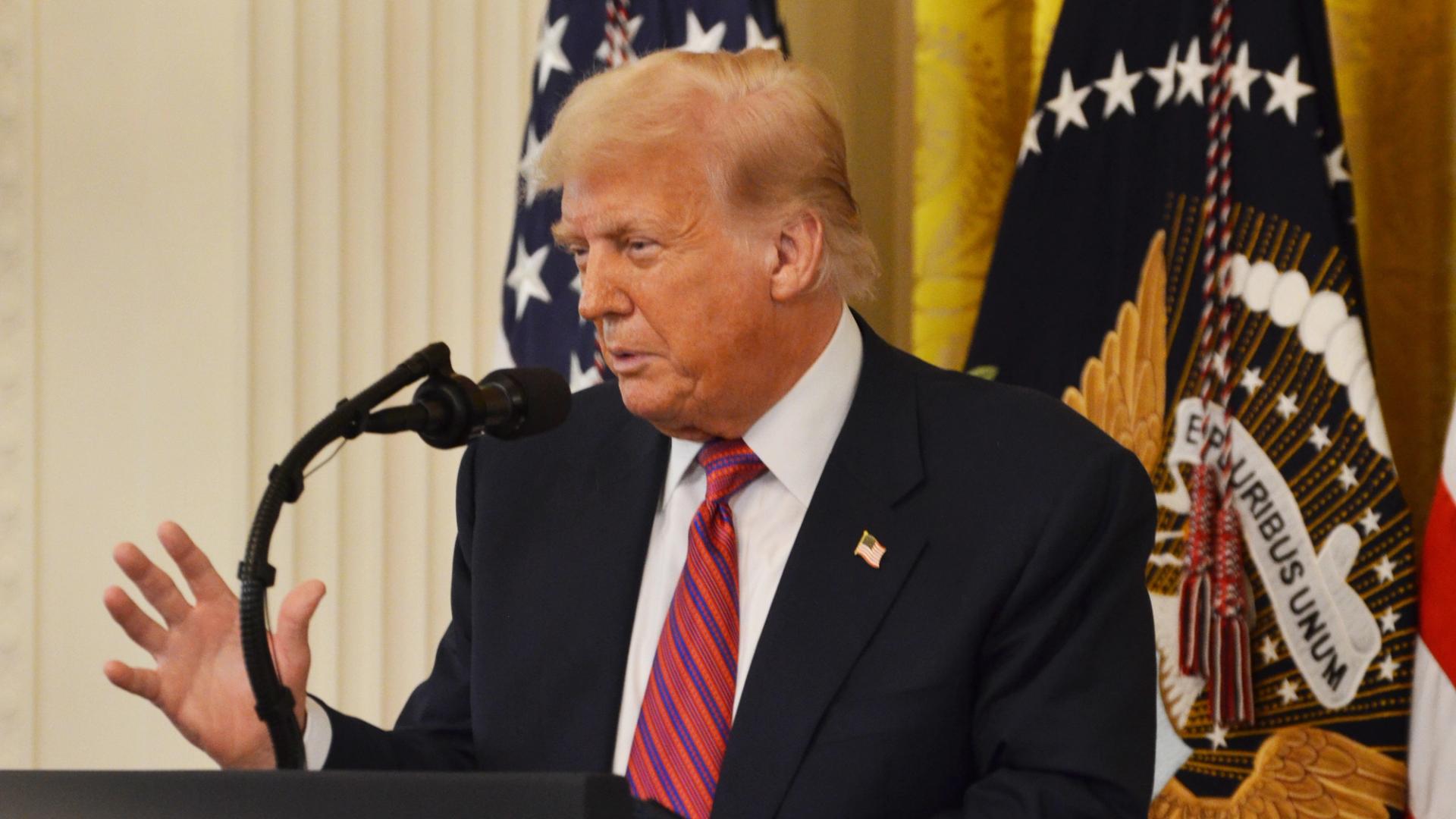
Policy New Clarity Act emerges that's a start on the final draft, makes ethics rule temporary Lawmakers have circulated text of the latest draft that will be pushed toward a Senate finish line, but they're still debating a core government-ethics piece. By Jesse Hamilton | Edited by Nikhilesh De Jul 22, 2026, 4:15 p.m. 4 min read Make preferred on Share Share this article Copy link X icon X (Twitter) LinkedIn Facebook Email Make preferred on President Donald Trump would face crypto business constraints under the new draft of the Clarity Act. (Jesse Hamilton/CoinDesk) A would-be final version of the Digital Asset Market Clarity Act is circulating as the U.S. Senate sets up for its last major effort to get the crypto industry's long-awaited market structure bill into law, and it finally includes a contentious section banning crypto conflicts for the president, though that may only be a temporary measure. The final working draft of the Clarity Act has emerged days after talks with President Donald Trump had led to a deal on how Republicans would press the effort's biggest remaining hurdle: that section to limit the president and other senior government officials from direct crypto ties, which is currently set to conclude in 2029 and leaves the Department of Justice in the role of policing related ethics complaints, according to sources’ descriptions of the draft circulating on Wednesday. But even as the crypto industry was shown details of the bill that will clock in at hundreds of pages, Democratic lawmakers hadn't yet seen the draft, the text of which was posted at Punchbowl News . The Senate is expected to need at least 10 Democrats to approve the final bill before it can become law, because of the chamber's requirement for 60 yes votes on most legislation, and many of them already didn't like what they were hearing on the ethics section. The overall bill text is reflective of work in two relevant Senate committees — Banking and Agriculture — plus the addition of a lot of new language meant to ensure the safety of digital assets users and investors. Majority Leader John Thune, the Republican in charge of the Senate's agenda, intends to move forward with floor action in the coming days before summer recess, his office told CoinDesk on Wednesday, and the latest version includes dozens of pages of extra material meant to please Democrats. One thing that may land as a significant relief for the decentralized finance (DeFi) corner of the industry is that the section known as the Blockchain Regulatory Certainty Act remains intact, meaning developers that don't control users' assets won't be treated under the regulatory regime as "money transmitters," with all the compliance burdens that would come with that. The draft also includes new language on federal preemption, provisional registration procedures and commodity pool operators — all still being furiously studied by the experts. Last week, several Senate Democrats gathered for a press conference explaining their opposition to the Clarity Act , and warning of the crypto sector's rapidly growing influence in Washington. The party has been split during the months of negotiations over Clarity, with some senators consistently opposing the bill under Elizabeth Warren's banner and others actively negotiating with Republicans. And one common position among Democrats has been that Clarity will need that ban on government officials' digital assets involvement, which throws a spotlight on Trump's dealings. In the wake of Trump's personal financial disclosures that revealed he'd earned more than $1 billion from his crypto interests last year, Democrats have latched on to those figures as proof of their accusations of corruption and conflict of interest in the White House. Republican senators met with Trump about it last week. By Monday, the Republicans had fixed on an accord. A White House official told CoinDesk on Monday that Trump had "agreed to the most comprehensive and wide-ranging ethics provision in history." The legislation would give regulators a year to implement the new ethics constraints. It's not yet clear when such limits might be effective for Trump, nor is it clear what he'd do about them in regard to his many crypto business ties, including an ownership stake in World Liberty Financial. Meanwhile, the bill's most dedicated proponents, such as Senator Cynthia Lummis, have defended Trump and the legislation. "It's time to land this plane," Lummis, a Wyoming Republican who leads the digital assets subcommittee in the Senate Banking Committee, said in a recent interview on Fox Business. "This is about helping law enforcement fight illicit finance, passing consumer protections and keeping these markets onshore in the U.S." In 16 days (including weekends) the Senate is set to leave Washington for its long summer break. While there is some floor time again in September, the lawmakers will be increasingly focused on November's midterm elections. So, the first week of August is widely considered the last moment that the Clarity Act could advance from the Senate in the normal course of business. Read More: Trump's crypto riches loom over Clarity Act talks to ban conflicts for U.S. officials Donald Trump Clarity Act Latest Crypto News 1 Revolut hits $115 billion valuation in employee share sale: WSJ 24 minutes ago 2 SEC's Peirce warns some DeFi vaults, onchain lending may fall under securities laws 40 minutes ago 3 UK digital bond plans hinge on one missing piece: onchain cash 41 minutes ago 4 Crypto Long & Short: The crypto question isn't what to own — it's what you can survive holding 1 hour ago 5 U.S. seeks forfeiture of $25 million in crypto tied to romance and investment scams 2 hours ago 6 Forget Nvidia: The next big AI trade could be crypto and blockchain 2 hours ago 7 Kalshi rolls out Midterm Hubs ahead of the November elections in the U.S. 4 hours ago 8 Midnight token rebounds 19% after Wanchain bridge hack, Hoskinson calls for ZK revamp 4 hours ago 9 Here's why bitcoin bulls should take a closer look at interest rates 4 hours ago 10 SecondFi to shut down after $2.4 million ADA wallet theft 5 hours ago Latest Research Crypto Flows, Share and the Selective Rotation Crypto Flows, Share and the Selective Rotation Markets repositioned since June, but Binance held share (~55% user funds, ~24% spot) and drew net inflows in early July while the tracked market saw outflows. By CoinDesk Research 1 hour ago Markets repositioned since June, but Binance held share (~55% user funds, ~24% spot) and drew net inflows in early July while the tracked market saw outflows. Why it matters : Markets repositioned since June, but Binance held share (~55% user funds, ~24% spot) and drew net inflows in early July while the tracked market saw outflows. View Full Report More From Policy SEC's Peirce warns some DeFi vaults, onchain lending may fall under securities laws U.S. seeks forfeiture of $25 million in crypto tied to romance and investment scams Kalshi rolls out Midterm Hubs ahead of the November elections in the U.S.