Bank of Korea prepares for live CBDC transactions with 9 banks in September
Analysis
Price Impact
LowThis news pertains to a central bank digital currency (cbdc) pilot in south korea, which is a sovereign digital currency and not directly a cryptocurrency like bitcoin or ethereum. while it could influence the broader understanding and adoption of digital currencies, its direct impact on existing cryptocurrencies is minimal in the short term.
Trustworthiness
HighPrice Direction
NeutralThe development of a cbdc does not inherently create buying or selling pressure on existing cryptocurrencies. it represents a different form of digital money controlled by the central bank.
Time Effect
LongThe long-term implications of cbdc development could include increased digital asset adoption and potential competition or integration with existing cryptocurrencies. however, the immediate price impact on the crypto market is negligible.
Original Article:
Article Content:
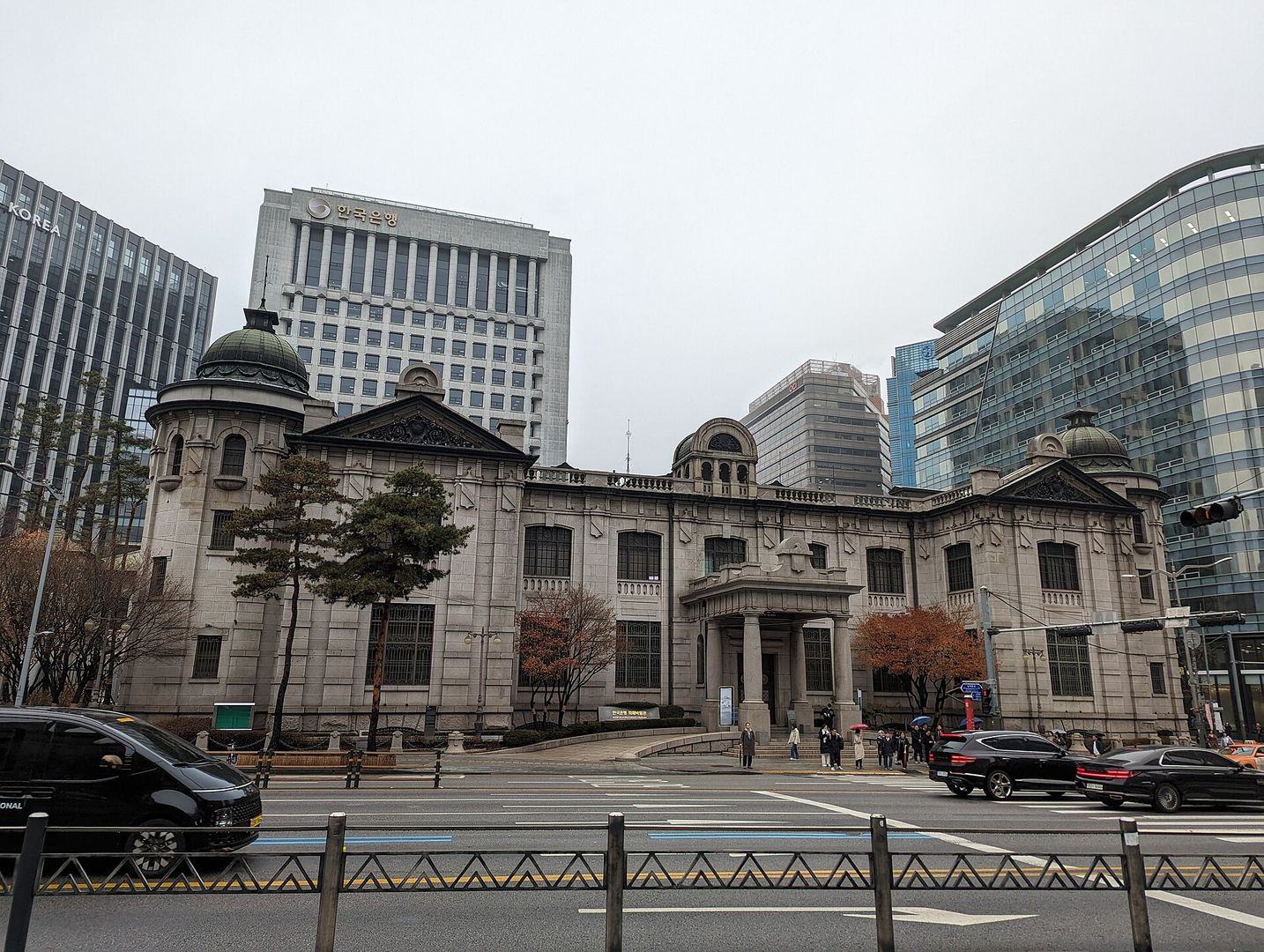
Finance Bank of Korea prepares for live CBDC transactions with 9 banks in September Major banking heavyweights join a massive blockchain network test that will allow retail consumers to trade tokenized won freely across commercial lines. By Olivier Acuna | Edited by Jamie Crawley Jul 20, 2026, 11:10 a.m. 2 min read Make preferred on Share Share this article Copy link X icon X (Twitter) LinkedIn Facebook Email Make preferred on The Bank of Korea will kick off the second phase of its CBDC with live transactions in September, which will include the participation of nine top banks. (Sean Young/Wikimedia Commons) Summary Show The Bank of Korea will enter the second phase of its central bank digital currency pilot in September, expanding real-transaction testing to nine major banks. The project will use BOK-provided infrastructure while participating banks issue and manage deposit tokens, laying the groundwork for potential commercialization of a digital won. South Korea’s CBDC push comes alongside banks’ preparations for won-backed stablecoins and a government plan to classify cryptocurrencies as national assets, even as only a few countries worldwide have fully launched CBDCs. The Bank of Korea's central bank digital currency (CBDC) plans are moving forward with nine participating banks. The second phase of BOK's CBDC program is scheduled for September with real-transaction testing, Yonhap News Agency reported on Monday . "The Bank of Korea will provide the infrastructure for the institutional CBDC, and each bank will conduct its own business using deposit tokens," a BOK official told YNA. "From the second phase, we will lay the groundwork for commercialization." The BOK’s second phase will expand to include a total of nine participating banks, including Gyeongnam Bank and iM Bank. The country’s top three banks, KB Kookmin, Shinhan, Hana, and Woori Financial Group, are also participating in the CBDC project. "The goal is to create an environment where the won can be traded freely regardless of time or place," Yonhap quoted the government as saying. CBDCs are a digital form of blockchain-based fiat currency that are managed by the issuing central bank and considered legal tender. Only a handful of countries have officially introduced a CBDC. Bahamas unveiled one in October 2020, Nigeria in 2021, and Jamaica in 2022, according to the Atlantic Council’s CBDC tracker . The tracker shows 41 countries are testing a CBDC, 33 more have one in development, while 15 have them inactive and nine others cancelled them. The U.S. Senate passed a bill that included a four-year ban on CBDCs last month, but President Donald Trump has put signing it into law on hold. The BOK’s announcement comes as South Korean banks are building their own stablecoin infrastructure. Hana Bank has started designing the systems needed to support a future won-backed stablecoin, including issuance, redemption, settlement, digital wallets and anti-money laundering controls, according to local media reports . The bank has not committed to issuing a stablecoin, but is preparing its infrastructure ahead of legislation as lenders position themselves for expected competition in the sector. Shin Hyun-son, who was named Bank of Korea Governor in April, used his first address in office to prioritize the CBDC and BOK-issued deposit tokens. The South Korean Ministry of Economy and Finance announced plans to update its seven-decade-old national asset law to classify cryptocurrencies as national assets. That announcement builds on the country’s broader push to bring blockchain into public finance. South Korea CBDC Latest Crypto News 1 Crypto market slips even as equities advance. Pump surges on social-media chatter 37 minutes ago 2 Hyperliquid plans to add decentralized prediction markets in upgrade to HIP-4 1 hour ago 3 Cross-chain protocol Allbridge halts after $1.65 million flash loan exploit 1 hour ago 4 U.S. regulatory developments and earnings, ECB rate decision: Crypto Week Ahead 2 hours ago 5 Amazon Japan supplier AZ-Com Maruwa to adopt yen stablecoin JPYC for payments 3 hours ago 6 Live markets: Oil bounce and lingering AI selloff pushes bitcoin under $64,000 3 hours ago 7 Moonshot AI IPO push follows Kimi, Alibaba AI releases that shook bitcoin 4 hours ago 8 Bitcoin ETFs see new money again, but inflows remain ‘peanuts’ relative to the recent exodus 5 hours ago 9 Bitcoin flat near $64,000 as oil hits a one-month high and Kimi AI selloff lingers 5 hours ago 10 The GENIUS Act turns 1: State of Crypto 16 hours ago Latest Research Gate Leads Spot Market Share Gains as CEX Volumes Rise for First Time in Five Months Gate Leads Spot Market Share Gains as CEX Volumes Rise for First Time in Five Months CEX trading volumes rose for the first time in five months in June, with spot climbing 15.3% to $1.11T and RWA perpetual volumes surging to a record $311B. By CoinDesk Research Jul 13, 2026 CEX trading volumes rose for the first time in five months in June, with spot climbing 15.3% to $1.11T and RWA perpetual volumes surging to a record $311B. Why it matters : CEX trading volumes rose for the first time in five months in June, with spot climbing 15.3% to $1.11T and RWA perpetual volumes surging to a record $311B. View Full Report More From Finance Hyperliquid plans to add decentralized prediction markets in upgrade to HIP-4 Cross-chain protocol Allbridge halts after $1.65 million flash loan exploit Amazon Japan supplier AZ-Com Maruwa to adopt yen stablecoin JPYC for payments