Trump refuses to sign law with U.S. CBDC ban, demands approval of elections bill
Analysis
Price Impact
MedThe news is primarily about us policy regarding cbdcs and the crypto industry's lobbying efforts (clarity act). while a direct impact on specific coins is not immediate, the delay in passing legislation that could affect the regulatory landscape for digital assets creates uncertainty. a ban on us cbdcs could be seen as bullish for existing cryptocurrencies by reducing competition, but the political back-and-forth adds risk.
Trustworthiness
HighPrice Direction
NeutralThe news introduces uncertainty and delays in legislative progress that could impact the crypto industry. the immediate price reaction is likely to be muted as the core issue is political maneuvering rather than a direct market event. however, the long-term implications for regulatory clarity are significant.
Time Effect
LongThe cancellation of the housing bill signing and the focus on the save america act create an immediate delay. the implications for the clarity act and potential cbdc regulations will play out over the coming weeks and months as congress negotiates.
Original Article:
Article Content:
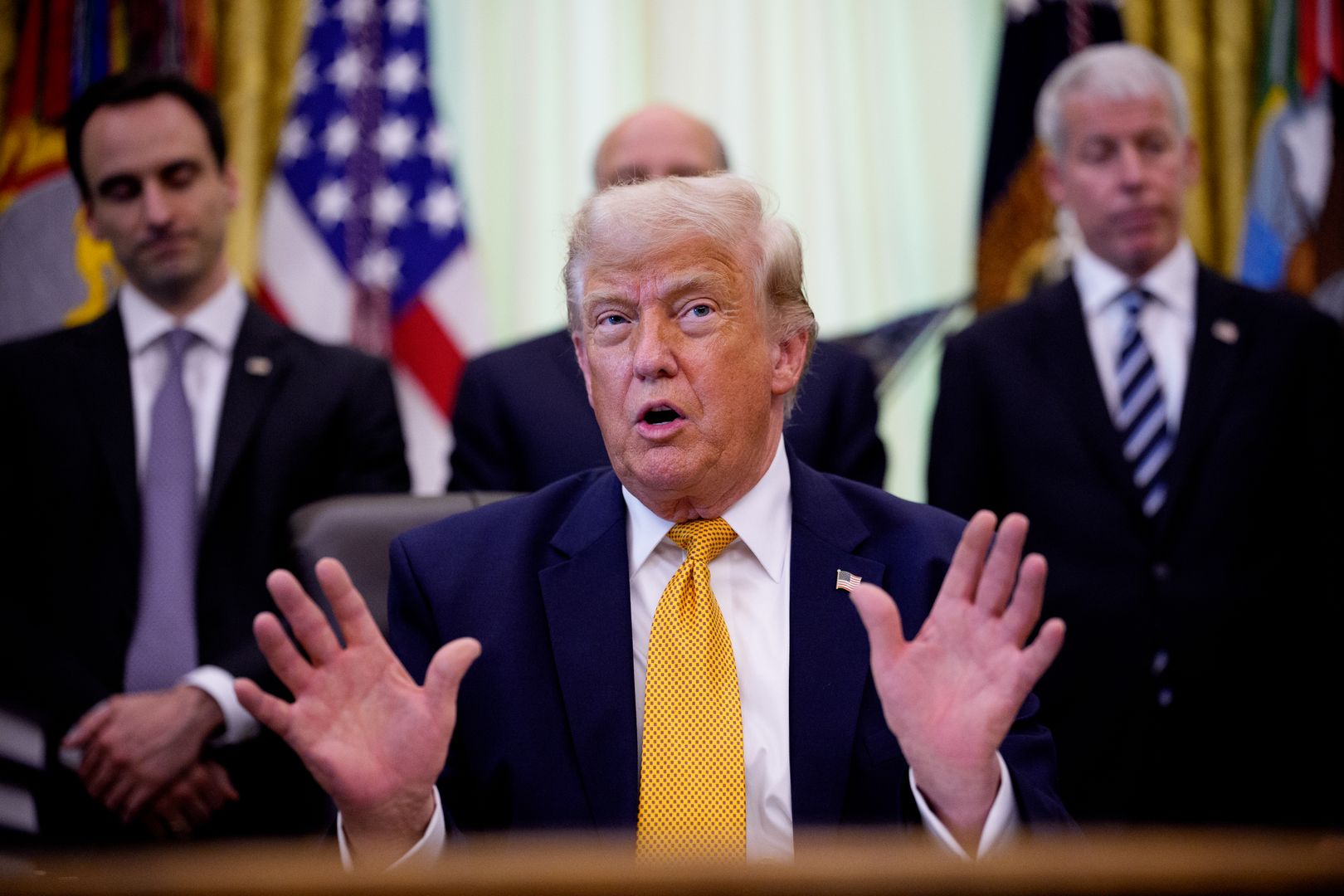
Policy Trump refuses to sign law with U.S. CBDC ban, demands approval of elections bill As Congress prepared to celebrate the president's signing of the bipartisan housing bill that contains a CBDC prohibition, Trump abruptly cancelled the event. By Jesse Hamilton | Edited by Cheyenne Ligon Jun 24, 2026, 3:42 p.m. 2 min read Make preferred on Share Share this article Copy link X icon X (Twitter) LinkedIn Facebook Email Make preferred on Summary Show President Donald Trump has cancelled a celebratory signing of Congress' bipartisan housing bill, which also pauses the legislation's CBDC ban and also could have implications for the crypto Clarity Act. The housing legislation had included a four-year ban on a Federal Reserve CBDC, which was a welcome development for digital-dollar critics in the crypto industry, but it'll have to wait for the rest of the package to get signed into law. The industry's primary focus in Washington, the Clarity Act, likely has only a handful of weeks left to get approval by the Senate, so any major delay could be a difficult obstacle. U.S. President Donald Trump has refused to sign a law that includes a four-year ban on central bank digital currencies, which was part of Congress' housing affordability bill, until he gets unrelated legislation passed that would demand proof of citizenship from voters. Trump had a signing ceremony planned for Wednesday, but he said in a post on Truth Social that it's "hereby cancelled until such time as we pass the desperately needed SAVE AMERICA ACT, which I consider to be a National Emergency." The legislation he's referring to carries a number of contentious federal voting policies to require citizenship proof and identification from voters, though Republican leaders have reportedly hit a wall on support for the bill. The president had made a threat earlier this year to block all other legislation until the SAVE America Act lands on his desk, though until Wednesday morning, he'd been planning on the signing of the major effort to address the affordability of homes in the U.S. "It has been stuck in the Senate," Speaker of the House Mike Johnson told reporters , saying the bill needs to be put into another budget bill. "So that's what we're going to do." Jeopardizing the existing bill could represent a heavy blow to Congress, in which both parties had embraced the housing effort, but it's also a potential setback to the anti-CBDC forces. While the U.S. wasn't poised to issue a CBDC any time soon, the idea to ban such a digital dollar was strongly supported by a crypto industry looking forward to the bill's four-year prohibition that extends to the end of 2030. Republican politicians have argued that a digital dollar managed by the Federal Reserve could be used to spy on the finances of citizens. And Trump signed an executive order last year banning any U.S. moves toward a CBDC, which he argued would "threaten the stability of the financial system, individual privacy, and the sovereignty of the United States." And if Trump delays Congress with this latest dispute, that could also have dangerous timing implications for the Digital Asset Market Clarity Act — the crypto industry's central aim for the dwindling congressional session. The Senate calendar only has about five weeks remaining before Congress' summer break, giving the industry and its allies little time to iron out the remaining wrinkles in the crypto market structure bill and get it on the Senate floor for a vote. The process can't afford any further significant delays if the Clarity Act is to become law in 2026. Before his cancellation of the housing bill signing, Trump had posted on his social-media platform that the housing bill is of "minor importance compared to lower interest rates" and other congressional priorities, and he criticized the involvement of Democratic Senator Elizabeth Warren. The president has a constitutionally designated 10-day window to weigh approved bills for signature once they land on his desk. Donald Trump Clarity Act CBDC Latest Crypto News 1 Ex-FCA policy insider explains the ‘great divide’ in the UK’s crypto ambition 19 minutes ago 2 Bitcoin just broke below the floor of its famous Rainbow Chart into the ‘BTC is dead’ zone 55 minutes ago 3 The banking lobby is wrong about stablecoins and community banks 55 minutes ago 4 Gold, silver and bitcoin tumble as 'debasement' trade unwinds 1 hour ago 5 Bitcoin could fall to $55,000 before finding a bottom, 10x Research says 2 hours ago 6 CoinDesk 20 performance update: Aave (AAVE) gains 5.9% as index moves higher 2 hours ago 7 CZ, Binance founder, wants to clear up 'misunderstandings' about who he is 2 hours ago 8 Aave could soar to $3,500 by 2030 on DeFi revival, says StanChart 2 hours ago 9 This forgotten coin could surprise everyone before its next halving 4 hours ago 10 Bitcoin clings to $62,500 as bears tighten grip on crypto market 4 hours ago Latest Research CEX Volumes Drop to Lowest Since September 2024 as RWA Perps Hit Record High CEX Volumes Drop to Lowest Since September 2024 as RWA Perps Hit Record High In May, combined exchange volumes fell 3.45% to $4.41T; the lowest since September 2024. RWA perpetual futures volumes rose 10.4% against the trend, hitting a new all-time high. By CoinDesk Research Jun 15, 2026 In May, combined exchange volumes fell 3.45% to $4.41T; the lowest since September 2024. RWA perpetual futures volumes rose 10.4% against the trend, hitting a new all-time high. Why it matters : In May, combined exchange volumes fell 3.45% to $4.41T; the lowest since September 2024. RWA perpetual futures volumes rose 10.4% against the trend, hitting a new all-time high. View Full Report More From Policy Ex-FCA policy insider explains the ‘great divide’ in the UK’s crypto ambition CZ, Binance founder, wants to clear up 'misunderstandings' about who he is Trump lands in Senate's crosshairs over $500 million UAE investment in his crypto venture