U.S. Senate passes housing bill that carries four-year ban on a Fed CBDC
Analysis
Price Impact
LowThe ban on a fed cbdc is unlikely to have a direct or immediate impact on existing stablecoins like usdt and usdc. these are privately issued and operate within different regulatory frameworks. however, it might slightly reduce the perceived urgency for stablecoin adoption as a primary alternative to a potential government-backed digital currency, but this effect is expected to be minimal.
Trustworthiness
HighPrice Direction
NeutralThe news is primarily about regulatory policy regarding a potential fed cbdc, not about the direct trading of cryptocurrencies like bitcoin or ethereum. while it could influence the broader narrative around digital currencies, it doesn't provide a clear bullish or bearish signal for the current crypto market.
Time Effect
LongThe ban is for four years, ending in 2030. this long-term policy decision could influence the development and adoption of digital currencies in the u.s. over the next several years, potentially shaping the competitive landscape for stablecoins and future digital asset innovations.
Original Article:
Article Content:
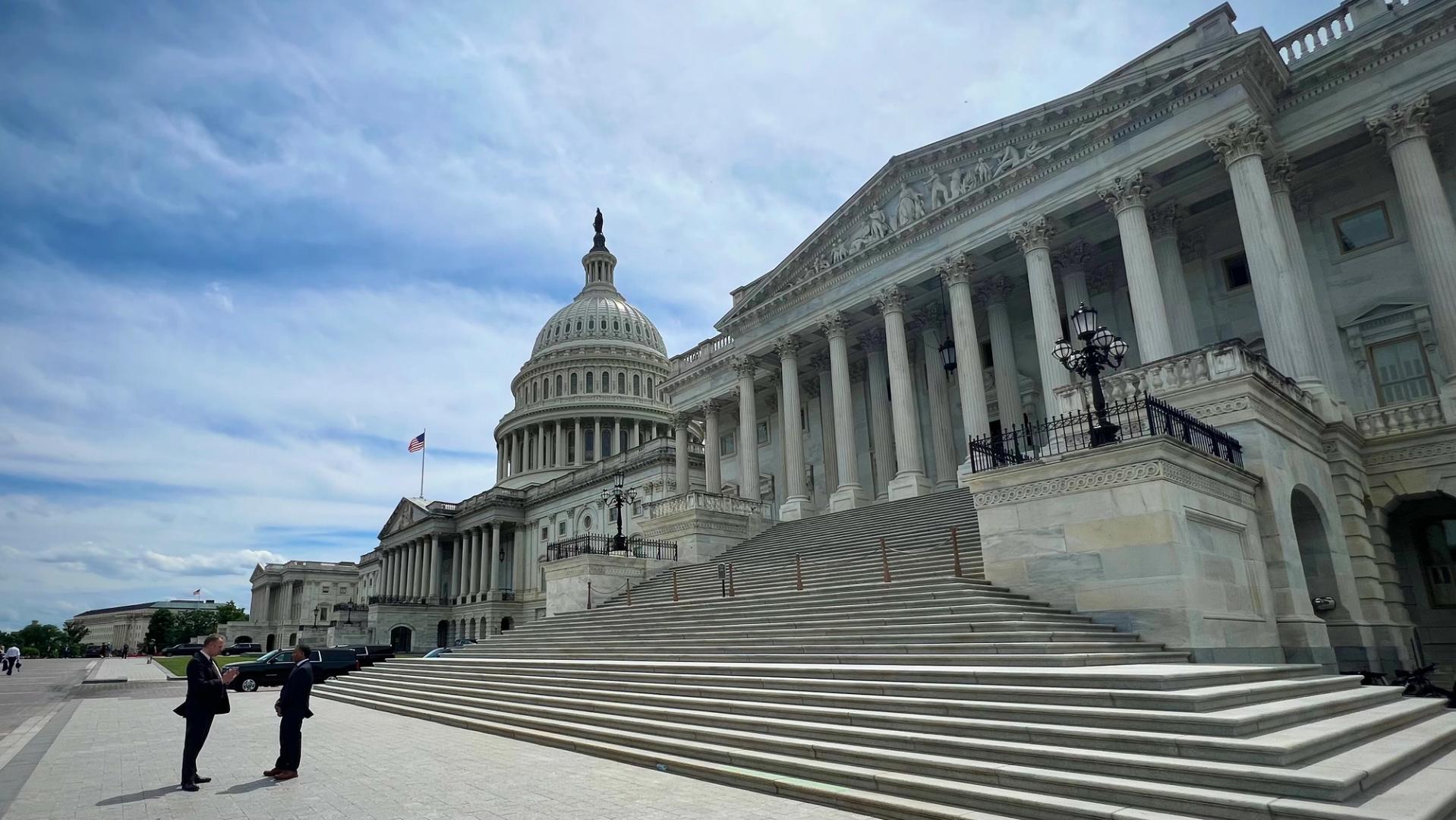
Policy U.S. Senate passes housing bill that carries four-year ban on a Fed CBDC The idea of a U.S. central bank digital currency — though little more than a research topic at the Federal Reserve — may be getting formally blocked. By Jesse Hamilton Jun 22, 2026, 11:01 p.m. 2 min read Make preferred on Share Share this article Copy link X icon X (Twitter) LinkedIn Facebook Email Make preferred on The U.S. Senate has passed a temporary ban on central bank digital currency. (Jesse Hamilton/CoinDesk) Thanks to the newly passed U.S. Senate housing affordability bill, the Federal Reserve may be heading toward a formal ban from instituting a digital dollar in the form of a central bank digital currency (CBDC), despite the fact the Fed wasn't working on such a project. Republican politicians had embraced an aggressive opposition campaign against the U.S. following in European and Chinese footsteps in the pursuit of a CBDC, labeling the idea a dangerous overreach of government surveillance. So they insisted it get inserted into the 21st Century ROAD to Housing Act that just passed the Senate in an 85-5 vote Monday night. The concept of a digital dollar likely would have needed the backing of the White House, Congress and the Federal Reserve, none of which pushed to pursue one. But if the House of Representatives follows suit and votes to send the housing bill to President Donald Trump for his signature, the CBDC will be legally stifled. However, the ban would only last for a very limited four years until the end of 2030. The idea of a CBDC is that a nation or other jurisdiction's central bank issues and manages the activity of an asset that would be akin to a government stablecoin. The European Central Bank has been working on a digital euro that's set to get a pilot program next year and a full launch in 2029. China also pursued a digital yuan issued by the People's Bank of China. In past remarks, former U.S. Fed Chair Jerome Powell had said that even were the Fed to consider a CBDC, it would have left the operation and management of it to banks, seeming to undermine the possibility of a financial police state described by Republican critics. But new Fed Chair Kevin Warsh had said during his nomination hearing that he fully opposed a U.S. CBDC, calling it a "bad policy choice." President Donald Trump signed an executive order in January 2025 that prohibited his administration from making any moves toward a CBDC, which he said would "threaten the stability of the financial system, individual privacy, and the sovereignty of the United States." Trump's congressional allies agreed and inserted it into the unrelated housing bill, which states that "the Board of Governors of the Federal Reserve System or a Federal reserve bank may not issue or create a central bank digital currency or any digital asset that is substantially similar to a central bank digital currency directly or indirectly through a financial institution or other intermediary." House lawmakers were reportedly contemplating an accelerated process to put their own approval on the housing bill by as soon as Tuesday. A signature from Trump will make it law, including the CBDC provision. CBDC Regulation Latest Crypto News 1 Securitize and tZERO clash over patents as race to bring Wall Street onchain heats up 1 hour ago 2 Ric Edelman says crypto’s biggest growth story is happening off the price chart 2 hours ago 3 21Shares co-founder warns tokenization hype is outrunning Wall Street reality 2 hours ago 4 Strive says digital credit selloff was a liquidation event, not a credit crisis 2 hours ago 5 Ether’s biggest corporate holders back new Ethereum research hub 3 hours ago 6 Ethereum Foundation talent exodus sparks fresh debate over leadership 6 hours ago 7 Crypto's second U.S. lobbying front — tax policy — sees industry push on mining, staking 7 hours ago 8 Anchorage aims to bring banks onchain with new tokenized deposit platform 8 hours ago 9 MoneyGram joins Solana as validator amid stablecoin payment push 9 hours ago 10 OKX and NYSE partner to bridge tradfi and crypto markets in joint venture led by Andrew Cuomo 9 hours ago Latest Research CEX Volumes Drop to Lowest Since September 2024 as RWA Perps Hit Record High CEX Volumes Drop to Lowest Since September 2024 as RWA Perps Hit Record High In May, combined exchange volumes fell 3.45% to $4.41T; the lowest since September 2024. RWA perpetual futures volumes rose 10.4% against the trend, hitting a new all-time high. By CoinDesk Research Jun 15, 2026 In May, combined exchange volumes fell 3.45% to $4.41T; the lowest since September 2024. RWA perpetual futures volumes rose 10.4% against the trend, hitting a new all-time high. Why it matters : In May, combined exchange volumes fell 3.45% to $4.41T; the lowest since September 2024. RWA perpetual futures volumes rose 10.4% against the trend, hitting a new all-time high. View Full Report More From Policy Crypto's second U.S. lobbying front — tax policy — sees industry push on mining, staking Bank of England backs down on strict stablecoin holding limits, sets $50 billion issuance cap Are perps swaps? A quick look at that CME suit: State of Crypto