Bitcoin mining network becoming more sensitive to price swings, JPMorgan says
Analysis
Price Impact
MedJpmorgan's report highlights that bitcoin miners are becoming more sensitive to price fluctuations, with a significant portion operating near breakeven. this suggests that sustained price drops could lead to further hashrate reductions and difficulty adjustments, potentially impacting network stability and miner profitability.
Trustworthiness
HighPrice Direction
NeutralWhile increased sensitivity to price swings can lead to volatility, the report itself doesn't predict a specific direction for bitcoin's price. it focuses on the mechanics of mining economics and their reaction to price movements, rather than forecasting future price levels.
Time Effect
LongThe sensitivity of the mining network to price swings is likely to persist as long as bitcoin remains below its estimated production cost. this suggests a longer-term effect on mining operations and network dynamics.
Original Article:
Article Content:
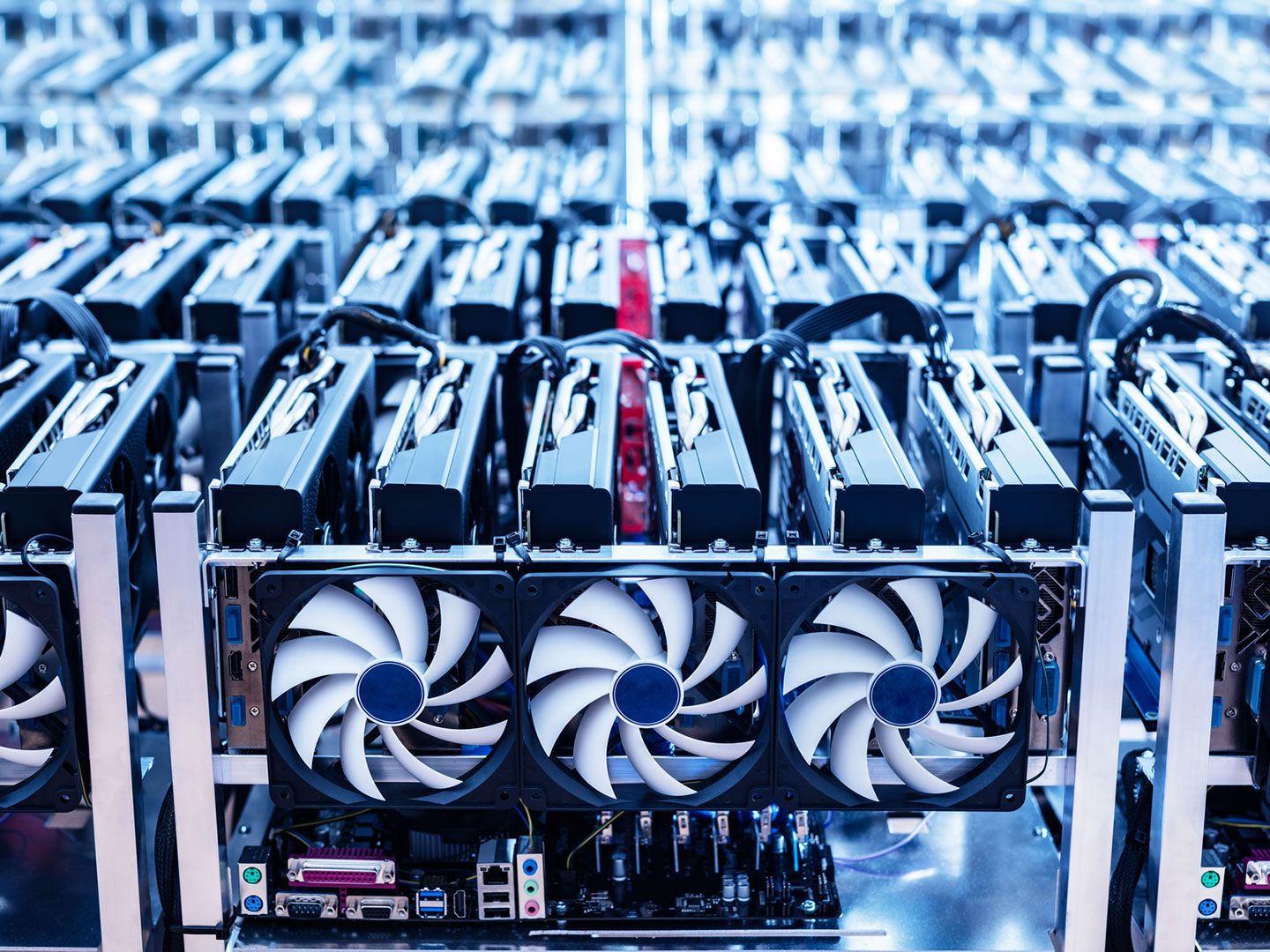
Markets Bitcoin mining network becoming more sensitive to price swings, JPMorgan says A growing share of miners are operating near breakeven levels, making hashrate and mining difficulty increasingly responsive to bitcoin's price movements, the bank said. By Will Canny , AI Boost | Edited by Stephen Alpher Jun 22, 2026, 12:51 p.m. 2 min read Make preferred on Share Share this article Copy link X icon X (Twitter) LinkedIn Facebook Email Make preferred on Bitcoin mining network becoming more sensitive to price swings, JPMorgan says. (Shutterstock) Summary Show JPMorgan said bitcoin mining difficulty's sensitivity to price changes has risen sharply this year. The bank estimated more miners are operating near breakeven as bitcoin trades below its production cost. Larger and more frequent difficulty adjustments are likely if bitcoin remains under its estimated $78,000 production cost. Bitcoin's mining network is becoming increasingly sensitive to price movements as more miners operate near breakeven levels, according to Wall Street bank JPMorgan. The bank said bitcoin's hashrate and mining difficulty have become noticeably more responsive to changes in the cryptocurrency's price this year. Over the past six months, the beta of mining difficulty relative to BTC price moves has climbed to 0.62, a sign that the network's computing power is reacting more quickly to market conditions. "Mining economics have worsened this year with the bitcoin price staying well below its production cost for five months in a row," analysts led by Nikolaos Panigirtzoglou said in the report last week. The hashrate refers to the total combined computational power used to mine and process transactions on a proof-of-work blockchain, and is measured in exahashes per second. The analysts said the trend suggests a larger share of miners are now operating close to their production costs, making aggregate hash rate more vulnerable to price fluctuations. Mining economics have deteriorated in 2026, the analysts noted, with bitcoin trading below its estimated production cost for five consecutive months. Citing CoinShares' first-quarter mining report, JPMorgan said roughly 20% of miners are currently estimated to be unprofitable. Financial pressure has prompted miners to sell more bitcoin holdings. Publicly traded mining companies liquidated more than 32,000 BTC in the first quarter, exceeding their combined sales for all of 2025, according to data cited by the report. As a result, even relatively small price moves are increasingly affecting network activity. When bitcoin falls below production costs, higher-cost operators tend to shut down equipment, causing hashrate to decline and mining difficulty to adjust lower. The bank pointed to the second week of June, when mining difficulty dropped 10%, the second decline of that magnitude this year. Looking ahead, the analysts expect heightened sensitivity in hashrate and mining difficulty to persist as long as bitcoin remains below its estimated production cost, which the bank currently puts at about $78,000. The world's laregst cryptocurrency was trading around $64,700 at publication time. Bitcoin miners are increasingly turning to artificial intelligence and high-performance computing (HPC) to diversify revenue as mining margins come under pressure. The appeal is straightforward: AI hosting contracts can provide stable, multi-year revenue streams and higher margins than the more volatile economics of bitcoin mining, which have been squeezed by rising network competition and the 2024 halving. Analysts estimate miners have announced tens of billions of dollars in AI and HPC-related deals, though execution risks and the significant capital required to build AI-ready facilities remain key challenges. Read more: Bitcoin miners' AI pivot faces $50 billion reality check, says VanEck Bitcoin Mining JPMorgan AI Disclaimer: Parts of this article were generated with the assistance from AI tools and reviewed by our editorial team to ensure accuracy and adherence to our standards . For more information, see CoinDesk's full AI Policy . Latest Crypto News 1 Strategy added $35 million in bitcoin, $300 million in cash reserves last week 12 minutes ago 2 TradFi fund manager Baillie Gifford introduces Solana, Ethereum tokenized fund with BNY 50 minutes ago 3 Bitcoin ETF outflow pain eases just as another headwind gathers strength 1 hour ago 4 As bitcoin, altcoin prices gain, derivatives signal skepticism over a sustained rally 1 hour ago 5 Bank of England backs down on strict stablecoin holding limits, sets $50 billion issuance cap 2 hours ago 6 Geopolitical relief meets the Warsh Fed: Crypto Week Ahead 2 hours ago 7 Taiko halts its Ethereum layer-2 network after a bridge exploit, token dives 3 hours ago 8 Bitcoin price may be headed to $54,000, says analyst who forecast October's all-time high 3 hours ago 9 Live markets: Bitcoin bounces to $65,000; Saylor's Strategy adds cash, coins 5 hours ago 10 Bitcoin developers want to fix the 'replace this transaction with a higher fee' button. Here's why 6 hours ago Latest Research CEX Volumes Drop to Lowest Since September 2024 as RWA Perps Hit Record High CEX Volumes Drop to Lowest Since September 2024 as RWA Perps Hit Record High In May, combined exchange volumes fell 3.45% to $4.41T; the lowest since September 2024. RWA perpetual futures volumes rose 10.4% against the trend, hitting a new all-time high. By CoinDesk Research Jun 15, 2026 In May, combined exchange volumes fell 3.45% to $4.41T; the lowest since September 2024. RWA perpetual futures volumes rose 10.4% against the trend, hitting a new all-time high. Why it matters : In May, combined exchange volumes fell 3.45% to $4.41T; the lowest since September 2024. RWA perpetual futures volumes rose 10.4% against the trend, hitting a new all-time high. View Full Report More From Markets Strategy added $35 million in bitcoin, $300 million in cash reserves last week As bitcoin, altcoin prices gain, derivatives signal skepticism over a sustained rally Geopolitical relief meets the Warsh Fed: Crypto Week Ahead