FTX's Sam Bankman-Fried loses appeal of criminal conviction on fraud, conspiracy charges
Analysis
Price Impact
HighThe news concerns the failed appeal of ftx's founder, sam bankman-fried. this solidifies the negative sentiment around the ftx brand and its associated entities, potentially impacting investor confidence in similar centralized exchanges and related projects.
Trustworthiness
HighPrice Direction
BearishThe continued legal troubles and confirmed conviction of ftx's founder reinforce the negative perception of the company and its past operations. this is likely to deter investment and further depress any value associated with the ftx brand or its former tokens.
Time Effect
LongThe legal process for appeals and potential further legal actions can be lengthy. the conviction and its implications will continue to cast a shadow over the crypto market's perception of centralized exchanges and regulatory risks for a significant period.
Original Article:
Article Content:
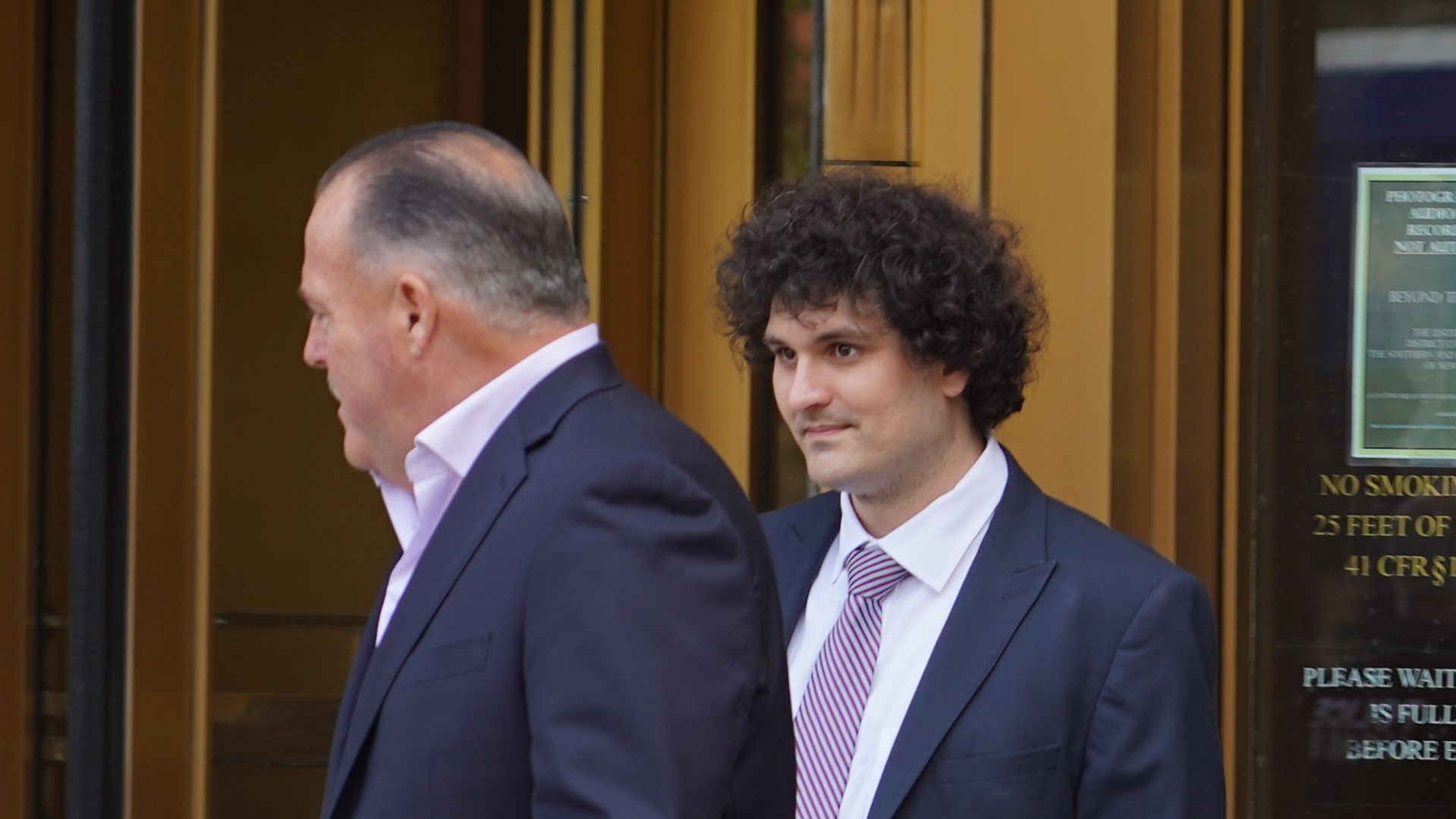
Policy FTX's Sam Bankman-Fried loses appeal of criminal conviction on fraud, conspiracy charges The onetime FTX CEO did not persuade a panel of judges that his trial was unfair, the appeals court panel ruled Friday. By Nikhilesh De Jun 12, 2026, 2:13 p.m. 2 min read Make preferred on Share Share this article Copy link X icon X (Twitter) LinkedIn Facebook Email Make preferred on FTX founder Sam Bankman-Fried exiting a Southern District of New York courthouse in 2023. (Nikhilesh De/CoinDesk) FTX founder and former CEO Sam Bankman-Fried lost his effort to overturn his conviction on fraud and conspiracy charges tied to the operation and collapse of his former crypto trading empire on Friday. A Second Circuit Court of Appeals panel ruled that the onetime crypto executive's arguments that his trial was unfair were not persuasive, going through Bankman-Fried's contention that he was prevented from presenting all of his legal arguments and that he was blocked from arguing that FTX's investments would do well. "Bankman-Fried makes these arguments in the face of a trial at which the government’s evidence against him was, conservatively stated, robust," the ruling said . The panel ruled that Judge Lewis Kaplan, who oversaw the trial, did not make errors in how he handled objections or in his rulings about specific arguments and portions of evidence that the prosecution and defense wanted to introduce. While the ruling made note of the "broad discretion" that district courts have in running trials throughout the filing, the panel of judges also said they agreed with his rulings and explained their view of Judge Kaplan's actions through the trial, in addition to taking on Bankman-Fried's actual arguments. One argument Bankman-Fried advanced was that the funds he misappropriated were in investments that would eventually grow. "As the district court recognized, any contention that Bankman-Fried lacked an intent to defraud because he intended to eventually repay his customers was legally misleading and prejudicial because the wire fraud statute encompasses temporary misappropriation of money or property," the ruling said. The panel reiterated this argument later on: "Whether the assets purchased by Bankman-Fried appreciated in value is irrelevant as to whether he committed fraud," the ruling said. Bankman-Fried's team tried to argue that FTX was a margin futures trading platform, and therefore customers should have expected that they might lose some access to their funds. "We are unpersuaded," the ruling said. "The fact that some FTX customers opted into margin trading, and thus temporary deprivation of their money, is beside the point. Some opted into margin trading, some did not. No one opted into having their money transferred under false pretenses to Alameda." The panel's ruling similarly supported Judge Kaplan's actions throughout the trial. The ruling matches the reception Bankman-Fried's team saw from the panel of judges during the hearing last November, when the three-judge panel repeatedly interrupted and questioned attorney Alexandra Shapiro, who is representing Bankman-Fried. Earlier this week, Bankman-Fried formally asked U.S. President Donald Trump for a pardon, though Trump said in the past he was not considering pardoning the former FTX executive, unlike various other crypto figures who have received pardons over the past 18 months. Bankman-Fried is also seeking a new trial in federal court, separate from the appeal. Sam Bankman-Fried Breaking News Latest Crypto News 1 XRP sentiment falls to 8-month low, and that has been a buy signal before 6 minutes ago 2 CoinDesk 20 performance update: Ethereum (ETH) falls 1% as index trades lower 1 hour ago 3 For crypto, SpaceX's stock market debut could go either way 2 hours ago 4 Monero price rockets 33% to $438 amid $120 million onchain laundering maze 3 hours ago 5 While bitcoin holds near $63,000, some data points to pain ahead for bulls 3 hours ago 6 Metaplanet buys Siiibo Securities to accelerate bitcoin financial ecosystem plans 4 hours ago 7 There's one simple way to tell whether bitcoin has really bottomed. Right now, it hasn't. 6 hours ago 8 BlackRock files to list its bitcoin income ETF, with expected debut next week 7 hours ago 9 XRP jumps 3% above $1.14 as institutional buying meets key resistance test 7 hours ago 10 Live updates: Bitcoin slips to $63,000 as SpaceX shares get ready to trade on Nasdaq 7 hours ago Latest Research The Incentive Dynamic Engine: A New Era for io.net Tokenomics The Incentive Dynamic Engine: A New Era for io.net Tokenomics io.net's IDE ties token burns to real GPU demand, replacing fixed emissions with a demand-linked model - live as of 11 June 2026. By CoinDesk Research 4 hours ago Commissioned by io.net io.net's IDE ties token burns to real GPU demand, replacing fixed emissions with a demand-linked model - live as of 11 June 2026. Why it matters : io.net's IDE ties token burns to real GPU demand, replacing fixed emissions with a demand-linked model - live as of 11 June 2026. View Full Report More From Policy Former SEC, CFTC Chair Gary Gensler argues that prediction markets don't overrule state regulations U.S. House bill would erect crypto-theft task force across law enforcement agencies Japan’s parliament poised to pass sweeping bill to regulate crypto like stocks