Coinbase advisory board says quantum computing threat is on the horizon, crypto needs a plan
Analysis
Price Impact
MedThe report highlights a future threat from quantum computing, which could compromise current encryption methods. while not an immediate danger, it necessitates a long-term transition to quantum-resistant cryptography. this transition could be complex and costly, potentially impacting transaction speeds and data storage requirements for major cryptocurrencies.
Trustworthiness
HighPrice Direction
NeutralThe immediate price impact is likely to be neutral as quantum computing threats are long-term and not an imminent danger to current blockchain security. however, in the long term, a successful transition to quantum-resistant cryptography could be a positive catalyst, while delays or failures in adoption could lead to bearish sentiment.
Time Effect
LongThe threat posed by quantum computing to current encryption is a long-term concern. the report emphasizes the need for preparation now, but the actual impact and the transition process will unfold over many years, potentially a decade or more, aligning with nist's recommended migration timeline.
Original Article:
Article Content:
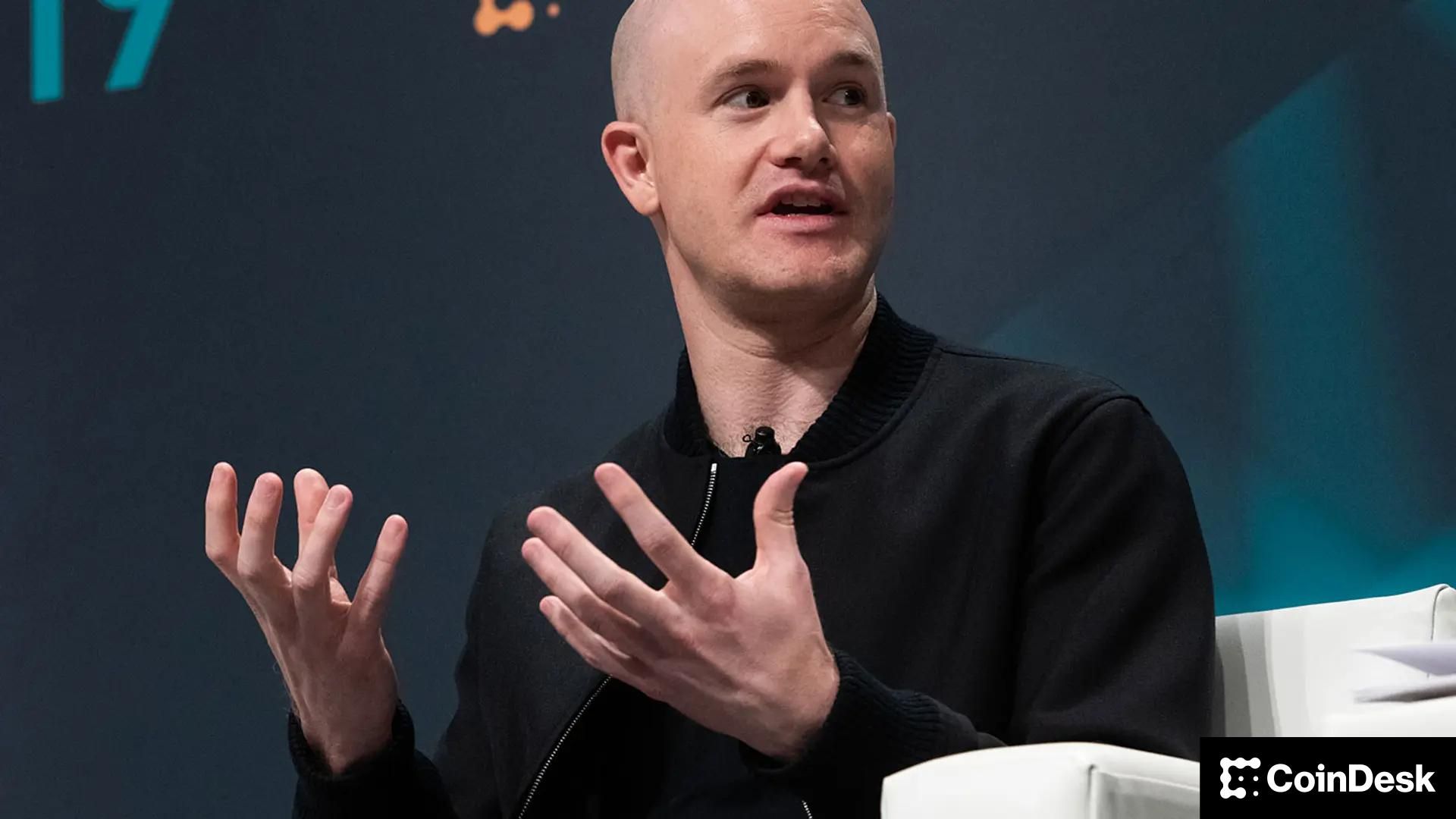
Tech Share Share this article Copy link X icon X (Twitter) LinkedIn Facebook Email Coinbase advisory board says quantum computing threat is on the horizon, crypto needs a plan The 50-page paper concludes that while today’s blockchains remain secure, a future “fault-tolerant quantum computer” capable of breaking widely used encryption is increasingly plausible, and preparation must begin now. By Margaux Nijkerk | Edited by Sheldon Reback Apr 21, 2026, 3:00 p.m. Make preferred on Coinbase CEO Brian Armstrong (CoinDesk) What to know : A Coinbase-backed report warns that while quantum computers aren’t an immediate threat to crypto, the industry must start preparing now for a future where they could break current encryption. Although post-quantum solutions exist, switching will be complex and costly, pushing major crypto ecosystems like Ethereum and Solana to begin exploring gradual transition strategies. A new report commissioned by Coinbase sounds a cautious, but urgent, alarm: Quantum computing won't break crypto tomorrow, but the industry can’t afford to wait. The 50-page paper, authored by an independent advisory board that includes prominent cryptographers and academics like Dan Boneh of Stanford University, Justin Drake of the Ethereum Foundation and Sreeram Kannan of Eigen Labs, concludes that while today’s blockchains remain secure, a future “fault-tolerant quantum computer” capable of breaking widely used encryption is increasingly plausible, and preparation must begin now. In recent months, concerns around quantum risk have moved further into the mainstream. Google researchers have published estimates suggesting that a sufficiently advanced quantum computer could one day break Bitcoin’s cryptography . Major crypto ecosystems have already started mapping out their responses. The Ethereum Foundation has proposed new types of digital signatures that are designed to be safe against quantum computers , while Solana and others are experimenting with quantum-resistant wallet designs . The report stresses that current quantum machines are far from powerful enough to crack the cryptography underpinning Bitcoin, Ethereum and other networks. Breaking standard encryption would require vast computational overhead, a milestone still considered a major engineering challenge. Still, the authors caution against complacency. “We have high confidence that a large-scale, fault-tolerant quantum computer will eventually be built,” the report states, adding that the timeline is uncertain but “clearly on the horizon.” That uncertainty is exactly the problem, with estimates ranging from “a few years to a decade or more” and no reliable way to predict breakthroughs. The urgency is reflected in guidance from the U.S. National Institute of Standards and Technology (NIST), which recommends migrating to quantum-resistant cryptography by 2035, a timeline the report suggests may even prove optimistic. “Waiting for it to be urgent is not a good idea,” the Coinbase paper says, emphasizing that transitions across blockchains, wallets and exchanges could take years to execute safely. Some assets may be more vulnerable than others. For example, Bitcoin wallets that have already revealed their public keys could be targeted, while those still protected behind hash functions may be safer in the short term. The good news: Quantum-resistant cryptography (PQC) already exists and is being standardized by NIST. The bad news: It’s not an easy swap. Post-quantum digital signatures can be tens to hundreds of times larger than current ones, which could dramatically increase blockchain data costs and reduce throughput. One estimate in the report suggests that replacing today’s signatures with quantum-proof alternatives could expand block sizes by up to 38 times. There are also usability challenges, from migrating millions of wallets to deciding what to do with “lost” or inactive funds that never upgrade. Rather than a single solution, the report outlines multiple transition strategies, including hybrid systems that combine existing cryptography with post-quantum updates or allow a gradual switch when needed. For now, the authors recommend flexible approaches that avoid sacrificing current security or performance while enabling a rapid upgrade later. “The time to begin preparing for it is now,” the report concludes. Read more: Solana's quantum-threat readiness reveals harsh tradeoff: security vs speed Coinbase quantum computing More For You North Korea’s crypto heist playbook is expanding and DeFi keeps getting hit By Margaux Nijkerk | Edited by Nikhilesh De 17 hours ago More than $500 million was siphoned across the Drift and Kelp exploits in just over two weeks. What once looked like isolated breaches now resembles a sustained campaign, likely driven by the financial needs of a sanctioned state. What to know : The Kelp exploit shows North Korea’s Lazarus Group is evolving beyond isolated hacks, rapidly shifting tactics from social engineering to exploiting structural weaknesses in crypto infrastructure, suggesting a sustained, state-driven campaign rather than one-off incidents. The attack did not break cryptography but exploited known design choices and weak configurations, exposing... Read full story Latest Crypto News Cut the red tape: 39 financial giants demand an emergency fast-track for Europe's blockchain pilot 30 minutes ago UK invites crypto giant Bybit to London to win over some of UAE’s innovation shine 35 minutes ago European banks are at risk of losing customers to rivals with better crypto tools 38 minutes ago DoorDash is bringing stablecoin payments to masses with Stripe-backed blockchain 41 minutes ago CoinDesk 20 performance update: Stellar (XLM) gains 3.3% while index moves lower 1 hour ago Almost 80% of Japan's institutional investors plan to buy crypto within 3 years, survey finds 3 hours ago Top Stories Strategy overtakes BlackRock IBIT in bitcoin holdings after bear market buying 5 hours ago Bitcoin trades above a make-or-break level ahead of Warsh hearing 3 hours ago North Korea’s crypto heist playbook is expanding and DeFi keeps getting hit 17 hours ago Aave could face up to $230 million in losses after Kelp DAO bridge exploit triggers DeFi chaos 17 hours ago Crypto scammers offer ‘safe passage’ through Hormuz. At least one ship may have been conned. 4 hours ago Arbitrum freezes $71 million in ether tied to Kelp DAO exploit 9 hours ago