Pakistan lifts seven-year ban, allowing banks to service crypto providers
Analysis
Price Impact
MedPakistan lifting its crypto ban for banks allows them to service crypto providers, which could increase liquidity and adoption within the country. however, banks are still restricted from trading or holding crypto themselves, limiting direct price impact on major cryptocurrencies. the focus is on infrastructure and services rather than direct investment.
Trustworthiness
HighPrice Direction
NeutralWhile positive for crypto adoption in pakistan, the restrictions on banks trading or holding crypto prevent a strong bullish or bearish signal for the broader market. the impact is more regional and infrastructural at this stage.
Time Effect
LongThe long-term effects will depend on how effectively the new regulatory framework is implemented and adopted by both banks and crypto service providers. the potential for tokenized assets and a national stablecoin suggests a longer-term development cycle.
Original Article:
Article Content:
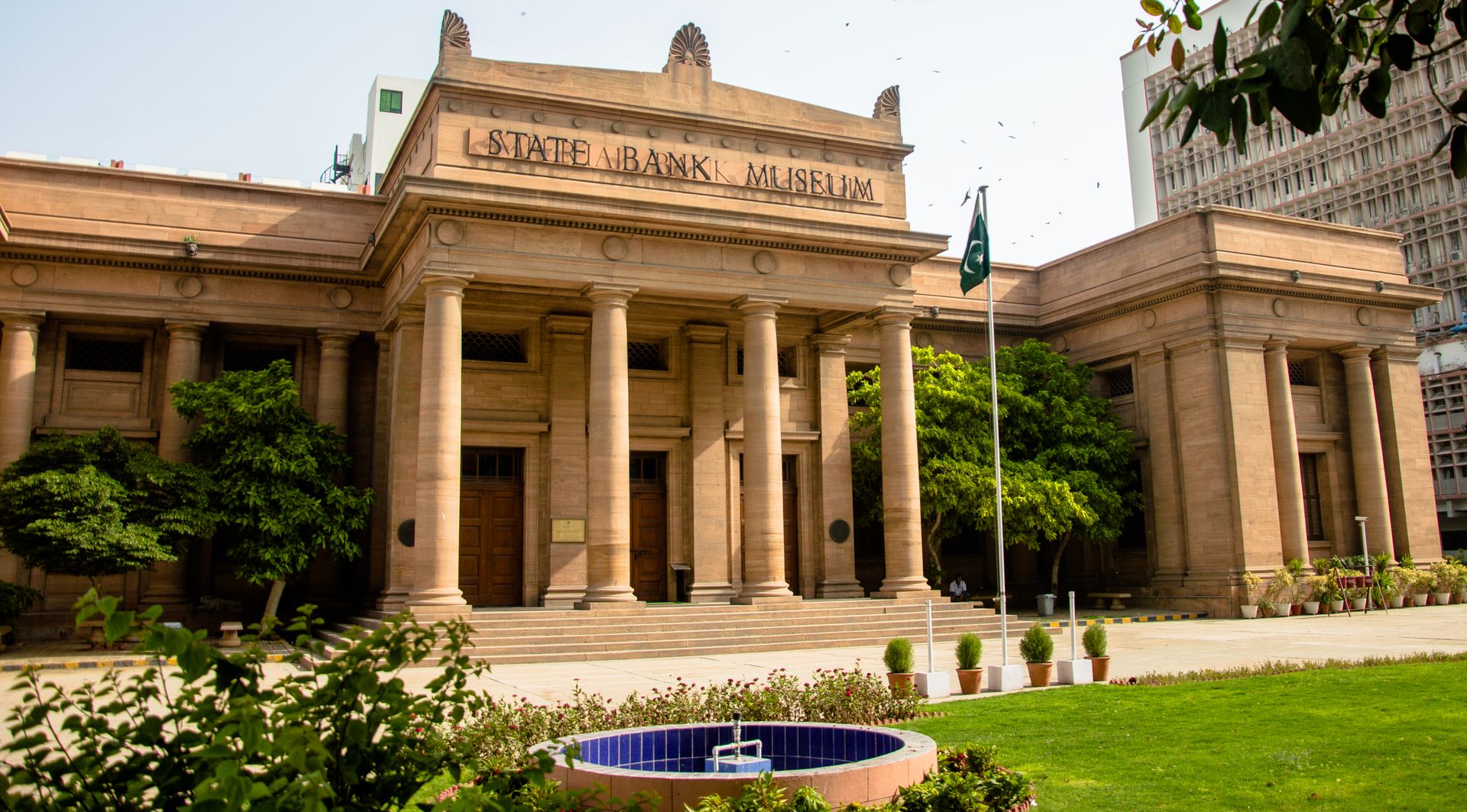
Policy Share Share this article Copy link X icon X (Twitter) LinkedIn Facebook Email Pakistan lifts seven-year ban, allowing banks to service crypto providers Pakistan sent a letter to all banks and financial regulatory firms notifying them that they may provide crypto services,, but remain barred from trading or holding crypto assets. By Olivier Acuna | Edited by Stephen Alpher Apr 15, 2026, 1:01 p.m. Make preferred on Banks in Pakistan can now service crypto asset services providers (Asim Iftikhar Nagi/Wikimedia Commons) What to know : Pakistan’s central bank has lifted its blanket ban on crypto services, allowing banks and financial institutions to serve licensed crypto firms under a new regulatory framework. While banks may open accounts for virtual asset service providers approved by the Pakistan Virtual Asset Regulatory Authority, they remain barred from trading, investing in or holding crypto with their own funds or customer deposits. The move follows the 2026 Virtual Assets Act and comes as Pakistan, already one of the world’s largest retail crypto markets, pursues plans for tokenized state assets, expanded Bitcoin mining and a national stablecoin. Pakistan’s central bank notified all banks and financial institutions in the country that the ban on providing crypto services has been lifted. However, according to the new state bank rules , banks are banned from investing, trading or holding crypto assets using their own funds or customer deposits. The State Bank of Pakistan’s move follows the recent enactment of the 2026 Virtual Assets Act, which establishes Pakistan’s Virtual Asset Regulatory Authority (PVARA to license, regulate and supervise the sector. The central bank replaced its 2018 ban on crypto with new rules that permit regulated banks and other financial institutions to open accounts for crypto firms approved under PVARA. Under the new state bank framework, banks can provide services to virtual asset service providers (VASPs) licensed under the new crypto act, as well as to those seeking approval, subject to strict compliance with anti-money laundering (AML), know-your-customer (KYC), and other counter-terrorism financing regulations. “Subject to strict compliance with the conditions outlined herein, SBP Regulated Entities (REs) may open bank accounts of entities duly licensed by PVARA as Virtual Asset Service Providers (VASPs),” the State Bank of Pakistan said. The central bank’s rules also set out detailed conditions for onboarding crypto firms, which include mandatory verification of licenses, enhanced due diligence and ongoing supervision of all their transactions. In December, the government of Pakistan and Binance signed a memorandum of understanding (MOU) allowing the world’s largest crypto exchange by trade volume to explore the tokenization of up to $2 billion in bonds, treasury bills and commodity reserves in Pakistan. That same month, the Chairman of Pakistan's Virtual Assets Regulatory Authority (VARA), Bilal Bin Saqib, announced in a video interview with CoinDesk his country’s plans to accelerate crypto adoption, leverage Bitcoin mining, and launch a national stablecoin. Roughly 40 million or about 17% of the Pakistani population are involved in crypto trading, the government said in February . The country is the third-largest crypto market by retail activity, ahead of places like Germany and Japan. More For You The next Fed chair has crypto exposure in his portfolio. Here are the details By Jay Yarow | Edited by Stephen Alpher 18 hours ago Kevin Warsh's financial disclosure reveals stakes in DeFi protocols, Ethereum scaling networks, a Bitcoin Lightning startup, and prediction markets — all of which he's promised to sell. What to know : Fed chair nominee Kevin Warsh disclosed numerous crypto investments in his financial paperwork with the U.S. GAO. The size of those investments is unclear and could amount to only a relatively small amount of his sizable net worth. Nevertheless, as Fed Chair, Warsh would help oversee and influence legislation affecting... Read full story Latest Crypto News Prediction market volumes to hit $1 trillion by 2030 with Robinhood, Coinbase as key players, Bernstein says 7 minutes ago Trump-backed WLFI moves to unlock 62 billion tokens after $75 million loan controversy 26 minutes ago Income ETFs could be bitcoin’s volatility kill switch 1 hour ago Bitcoin pulls back as $75,000 remains 'both the milestone and the ceiling' 1 hour ago The 100% debt trap: Why the IMF’s latest warning is a massive long-term signal for bitcoin 2 hours ago A new class of crypto treasury companies is forming around Strategy’s high-yield stock 3 hours ago Top Stories Bitcoin developers are trying to build quantum defenses. Your coins could pay the price. 6 hours ago Why this ex-Solana exec is using a Wall Street trick to level the playing field in DeFi 3 hours ago EToro to acquire crypto wallet Zengo in $70 million deal 3 hours ago The next Fed chair has crypto exposure in his portfolio. Here are the details 18 hours ago Ether-bitcoin ratio bounces from 2026 lows, signaling broader crypto recovery 8 hours ago Ethereum treasury firm Bitmine reports $3.8 billion Q1 loss in latest filing 6 hours ago