Iran eyes crypto toll for oil tanker transits through Strait of Hormuz, according to FT
Analysis
Price Impact
HighIran's potential use of bitcoin for oil transit fees through the strait of hormuz could significantly increase demand and adoption for bitcoin, especially if this sets a precedent for other nations seeking to bypass traditional financial systems and sanctions.
Trustworthiness
MedPrice Direction
BullishIncreased utility and demand for bitcoin as a payment method, especially for a critical commodity like oil, can directly boost its price. this also aligns with the broader trend of nations exploring alternative financial systems.
Time Effect
LongIf this policy is implemented and sustained, it would represent a significant long-term use case for bitcoin, potentially impacting its price and adoption trajectory over an extended period. shorter-term effects might depend on market reaction and speculation.
Original Article:
Article Content:
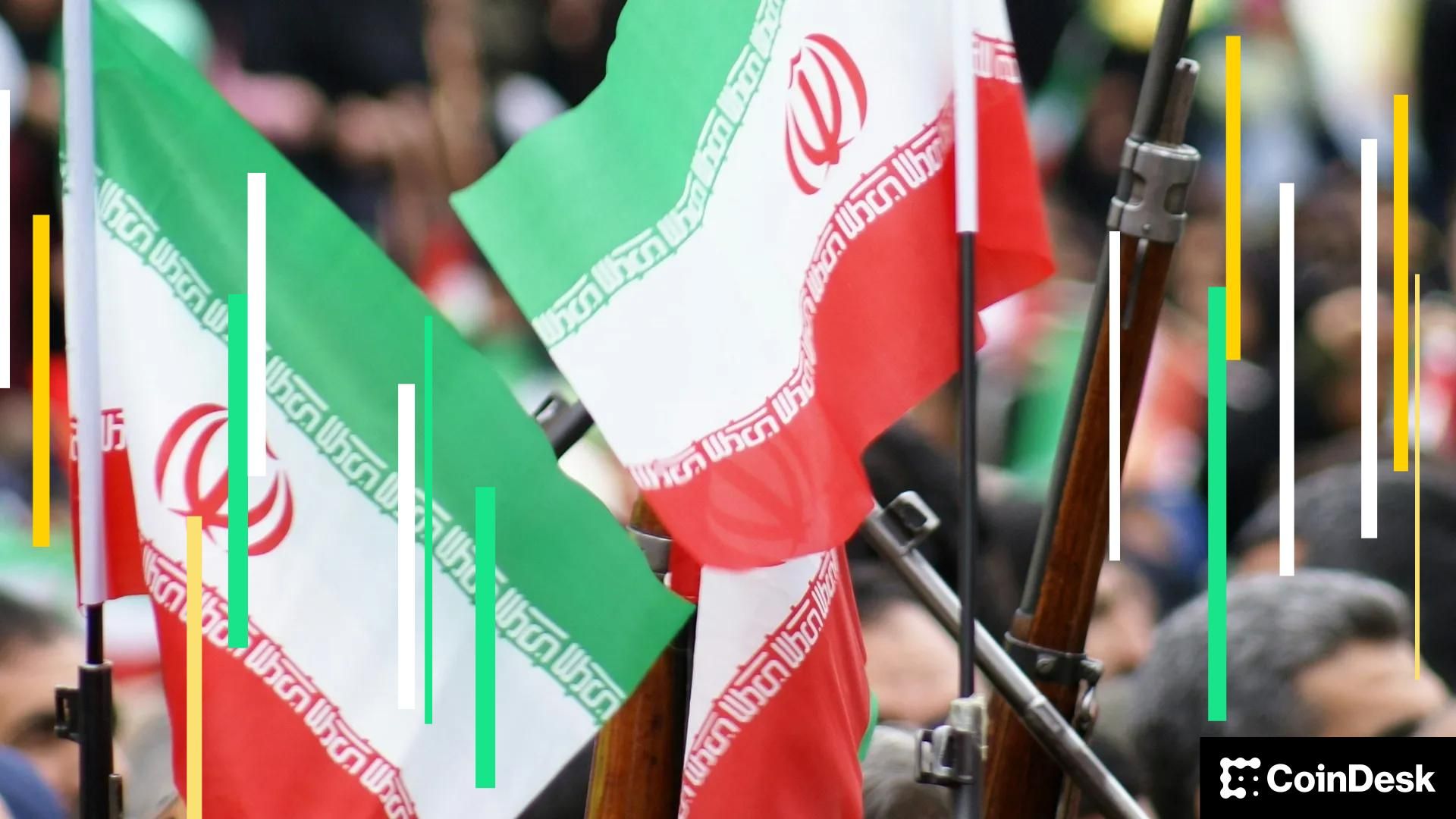
Markets Share Share this article Copy link X icon X (Twitter) LinkedIn Facebook Email Iran eyes crypto toll for oil tanker transits through Strait of Hormuz, according to FT Iran plans to collect cryptocurrency and other digital payments as transit fees from fully loaded oil tankers passing through the Strait of Hormuz, said the report. By Omkar Godbole | Edited by Stephen Alpher Apr 8, 2026, 1:14 p.m. Make preferred on Iran to collect crypto as fees from oil tankers passing through Hormuz. (Credit: Seyed Gholamreza Nematpour-Unsplash/Modified by Coindesk) What to know : Iran plans to collect cryptocurrency and other digital payments as transit fees from fully loaded oil tankers passing through the Strait of Hormuz during a two-week cease-fire with the United States, according to an FT report. Under the proposed system, tankers must email cargo details to Iranian authorities, who will levy a toll of about $1 per barrel and instruct crews on how to settle the fee in digital assets such as bitcoin. The move underscores Tehran’s use of crypto to bypass dollar-based financial channels and sanctions, and could reroute traffic closer to Iran’s coastline, raising risks for Western and Gulf-linked shipping firms. Iran will collect crypto payments as transit fees from oil tankers passing through the Strait of Hormuz during the two‑week ceasefire with the U.S., an industry official told FT . Hamid Hosseini, spokesperson for Iran’s Oil, Gas and Petrochemical Products Exporters’ Union, said that crypto-denominated tolls will be charged for fully loaded vessels as the nation seeks to "monitor what goes in and out of the strait to ensure these two weeks aren’t used for transferring weapons." Hosseini’s comments signal Tehran’s willingness to use cryptocurrency for toll payments, highlighting the expanding real‑world use cases of digital assets in high-stakes geopolitical developments. This isn’t new — nations at odds with the U.S. or its allies have long turned to crypto as a way to bypass traditional banking channels that leave a paper trail. Russia has indeed used cryptocurrency as part of broader efforts to evade Western sanctions, and in Iran’s case, Tehran is exploring digital payments as it looks to unlock funds for rebuilding the war-destroyed infrastructure. The proposed framework will require tankers to notify cargo details to Iranian authorities via email, and the toll will reportedly be calculated at $1 per barrel of oil. Authorities will then instruct on how to settle the fee in digital assets, with officials citing bitcoin as a potential payment method. Hosseini suggested that empty tankers would transit without charge, but fully laden vessels must comply with the reporting and crypto payment process before being cleared for passage. “Once the email arrives and Iran completes its assessment, vessels are given a few seconds to pay in Bitcoin, ensuring they can’t be traced or confiscated due to sanctions,” he said. The comments also indicated Tehran may direct traffic along the northern route of the Strait close to its coastline, a move that could raise questions about whether Western and Gulf‑linked shipping firms are prepared to navigate the risky Iranian waters. More For You Encryption Supremacy: Zcash and Privacy in the Age of Scale By CoinDesk Research Mar 31, 2026 Commissioned by GenZcash Most crypto privacy models weaken as blockchain data grows. Encryption-based models like Zcash strengthen. CoinDesk Research maps the five privacy approaches and examines the widening gap. Why it matters : As blockchain adoption scales, the metadata available to machine learning models scales with it. Obfuscation-based privacy approaches are structurally degrading as a result. This report provides a comprehensive comparison of all five major crypto privacy architectures and a framework for evaluating which models remain durable as AI capabilities improve. View Full Report More For You Morgan Stanley's bitcoin ETF opens today, giving BlackRock’s $55 billion IBIT fund its toughest rival yet By Helene Braun | Edited by Stephen Alpher 30 minutes ago While BlackRock’s spot bitcoin ETF currently reigns as the liquidity king of crypto, Morgan Stanley’s MSBT will leverage a market-low 0.14% fee and $7 trillion wealth management engine to possibly challenge that dominance. What to know : Morgan Stanley has launched the MSBT spot bitcoin ETF with a 0.14% fee, undercutting BlackRock’s dominant IBIT fund, which charges 0.25%. While IBIT remains the most liquid bitcoin ETF with about $55 billion in assets and leading trading and options volume, Morgan Stanley’s vast wealth management network could steer new... Read full story Latest Crypto News CoinDesk 20 performance update: Internet Computer (ICP) rises 12.1% 1 min. ago Bitcoin’s quantum threat is distant, but migration clock is ticking, says Adam Back Says 6 minutes ago Morgan Stanley's bitcoin ETF opens today, giving BlackRock’s $55 billion IBIT fund its toughest rival yet 30 minutes ago Bitcoin buyers gobbled up nearly 850,000 BTC between $60,000 and $70,000 1 hour ago Ceasefire lifts bitcoin, but animal spirits may not return just yet 2 hours ago Six Swiss banks join forces to build a unified digital franc 2 hours ago Top Stories Crypto-related stocks higher across the board after the ceasefire news 3 hours ago Attacking bitcoin mining with a quantum computer would require the energy of a star, academics say 7 hours ago CZ says SBF asked for billions 'like a Bologna sandwich' as FTX collapsed 13 hours ago Stablecoin issuers get closer to U.S. federal rules with FDIC's new proposal 18 hours ago Bitcoin vaults past $72,000 as U.S. stock futures surge on a two‑week U.S.–Iran ceasefire 13 hours ago ‘Don’t waste time with crypto': Here is what Solana Foundation's cryptic message really means 20 hours ago