Crypto markets – and the American people – deserve clarity
Analysis
Price Impact
HighThe sec's new interpretation of crypto asset classification and the potential for clarity on regulatory frameworks could significantly impact the entire crypto market. by defining which assets are securities and which are not, it could reduce regulatory uncertainty, potentially leading to increased institutional adoption and innovation. this could boost prices across the board.
Trustworthiness
HighPrice Direction
BullishThe clarity provided by the sec on regulatory frameworks, distinguishing between securities and non-securities, is expected to reduce fear and uncertainty in the market. this should encourage more investment and participation, leading to upward price pressure on most cryptocurrencies, especially those likely to be classified as commodities or payment stablecoins.
Time Effect
LongThe impact of clear regulatory guidelines typically unfolds over a longer period as businesses and investors adapt, innovate, and re-evaluate their strategies. while there might be short-term reactions, the sustained growth and adoption fueled by regulatory certainty will be a long-term effect.
Original Article:
Article Content:
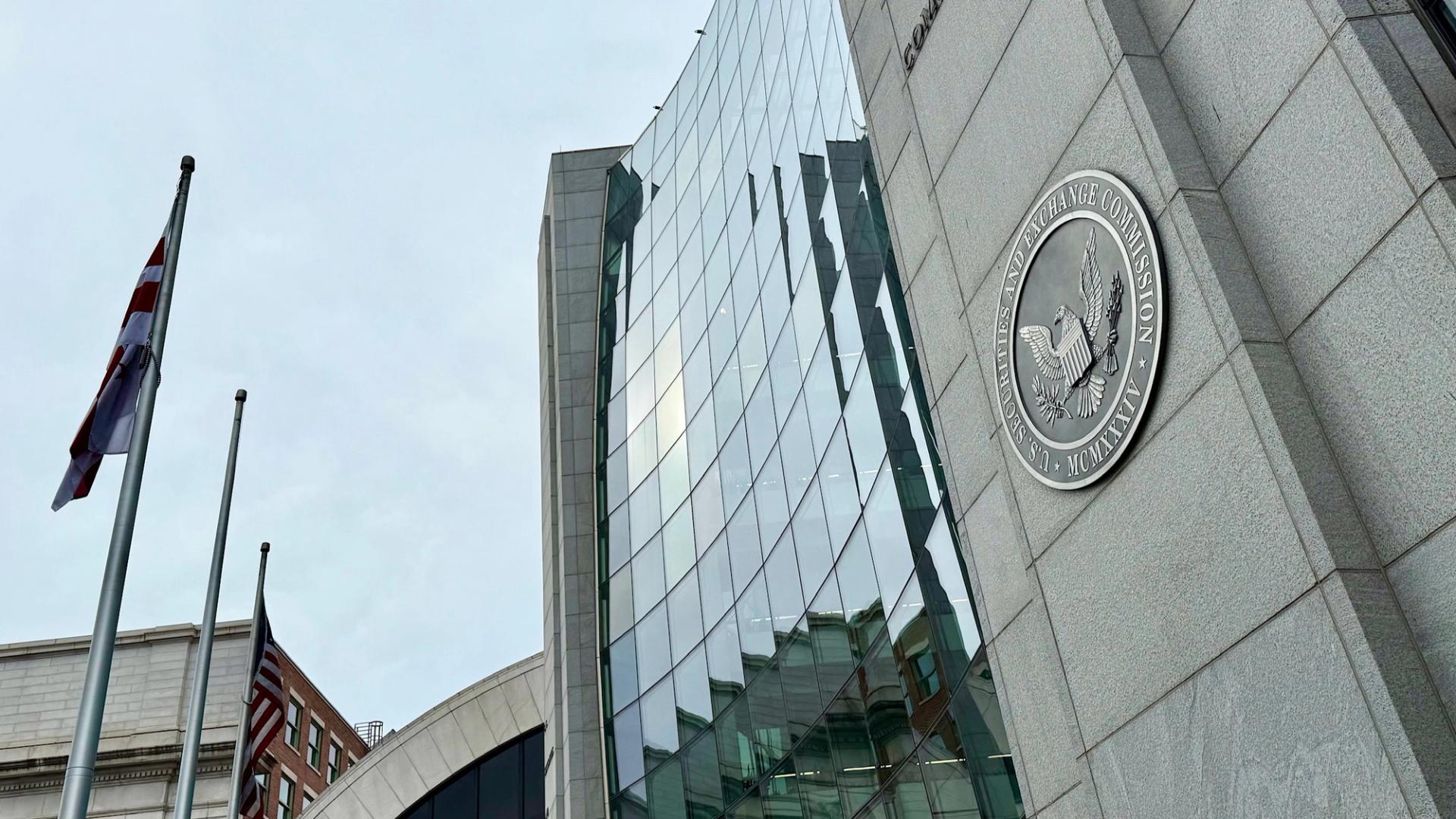
Opinion Share Share this article Copy link X icon X (Twitter) LinkedIn Facebook Email Crypto markets – and the American people – deserve clarity The SEC is pivoting away from its previous regulatory strategy. By Paul S. Atkins , Hester M. Peirce , Mark T. Uyeda | Edited by Betsy Farber Mar 19, 2026, 8:12 p.m. Make us preferred on Google U.S. Securities and Exchange Commission (Jesse Hamilton/CoinDesk) For more than a decade, American investors and innovators have operated under a cloud of uncertainty about when crypto assets implicate the federal securities laws. Markets function best when everybody understands the rules. Yet, for too long, financial regulators have responded to good-faith regulatory inquiries with silence, raised barriers to entry, and ad-hoc enforcement actions that only deepened the industry’s confusion. The Securities and Exchange Commission is taking an important step to reverse that prior approach. The Commission has released a landmark interpretation that finally provides clear guidelines. We establish a straightforward taxonomy of crypto assets — most of which are not securities — and clarify how the Supreme Court’s Howey test applies when a crypto asset is part of an investment contract This action builds a bridge to the historic and much-needed bipartisan market structure legislation moving through Congress. Only Congress can rewrite the law, and we stand ready to work with CFTC Chairman Michael Selig to implement the CLARITY Act. In the meantime, we are providing the responsible regulatory approach that markets demand. Our interpretation — grounded in existing law and informed by extensive public input — establishes four categories of crypto assets that are not securities: digital commodities, digital collectibles, digital tools and payment stablecoins under the GENIUS Act. Only one class remains within the federal securities laws: digital securities, the tokenized versions of conventional securities like stocks and bonds. This distinction returns the Commission to its core mission — and its statutory authority — by protecting investors involved in securities transactions. A workable framework, however, requires more than a taxonomy. It also must clarify how the Howey test applies to crypto. While it is clear what a stock is, the statute does not define “investment contract,” so its definition is based on a Supreme Court test. At its core, the Howey test defines an investment contract as an investment of money in a common enterprise with a reasonable expectation of profits to be derived from the essential managerial or entrepreneurial efforts of others. Early-stage blockchain projects sometimes sell tokens in a capital raising transaction tied to the development of software, a protocol, or a network. When teams make explicit promises that lead purchasers to rely on the team’s continued efforts with an expectation of profit, the transaction constitutes an investment contract. Equally important, our interpretation explains how and when an investment contract ends, freeing the crypto asset from securities-law obligations. The key is clear disclosure: project teams must set out the representations or promises they are making so investors understand the rights they are buying. As a project evolves, once the team’s promised efforts have been completed or resolved, purchasers no longer expect profits from those essential managerial efforts, and the investment contract terminates. In other words, Howey reliance must stem from clear and unambiguous promises the project team intends to undertake. The SEC’s role is to provide merit-neutral clarity, not dictate how teams design their projects. By providing this guidance as Congress finalizes legislation, we ensure that crypto asset innovation can take root and thrive here at home immediately. Clear rules also allow regulators to focus enforcement resources where they belong: combatting fraud and protecting market integrity within the limits of our statutory authority. For generations, America’s capital markets have been the world’s most dynamic and trusted. A crucial ingredient of that success is our regulatory system's ability to embrace new technologies without sacrificing strong investor protections. The emergence of blockchain networks and crypto assets is another opportunity to strike that balance. Crypto markets — and the millions of Americans who participate in them — deserve long-overdue clarity. Under President Trump’s leadership, we are well on our way. SEC Note: The views expressed in this column are those of the author and do not necessarily reflect those of CoinDesk, Inc. or its owners and affiliates . More For You Facing a crisis, Bitcoin treasury companies need to pivot to survive By Tyler Wellener | Edited by Betsy Farber Mar 17, 2026 Here, Wellener offers tactics that firms must use to prove they’re more than just a crypto play. Read full story Latest Crypto News DeFi risk management giant Gauntlet sees $380 million exit as OKX crypto campaign ends 2 minutes ago Appeals court clears way for Nevada to temporarily ban prediction market Kalshi 3 minutes ago Coinbase's bitcoin yield fund goes onchain with Apex's tokenization push 5 minutes ago Wall Street heavyweight Cantor among investment banks pitching FalconX for its potential IPO 52 minutes ago Market maker IMC Trading hires Alex Casimo as chief commercial officer for its crypto business 1 hour ago Bitcoin holds $69,000 as gold tumbles and oil spikes, but one analyst says stay on sidelines 3 hours ago Top Stories Quadruple witching arrives tomorrow as markets brace for potential bitcoin volatility 3 hours ago As crypto trading platforms race to deploy AI agents, here's what a Nasdaq executive is seeing 3 hours ago Bitcoin $20,000 put option is third most popular strike ahead of quarterly expiry 5 hours ago OpenClaw developers targeted in GitHub phishing scam offering fake token airdrops 4 hours ago Major League Baseball signs prediction markets pacts with CFTC, Polymarket 5 hours ago Coinbase faces a multibillion-dollar threat from D.C. but a 'rewards' loophole could protect its stablecoin revenue 8 hours ago