Some Middle East oil is now over $100 a barrel. Here’s how it could affect bitcoin
Analysis
Price Impact
HighA sustained spike in oil prices, especially those that can bypass geopolitical chokepoints, signals increased geopolitical stress and supply fears. this could lead to broader inflation concerns, tighter financial conditions, and prompt central banks to consider raising interest rates, all of which negatively impact risk assets like bitcoin.
Trustworthiness
HighThe article directly links rising oil prices to potential impacts on bitcoin by discussing the tightening of financial conditions and inflation fears that could arise from such a scenario. the reasoning is logical and based on established macroeconomic principles.
Price Direction
BearishThe article suggests that increased geopolitical risk and potential interest rate hikes due to inflation fears would put pressure on risk assets, including bitcoin, leading to a potential price decline.
Time Effect
LongThe impact of sustained high oil prices and subsequent central bank policy adjustments would likely be felt over a longer period, rather than an immediate short-term reaction.
Original Article:
Article Content:
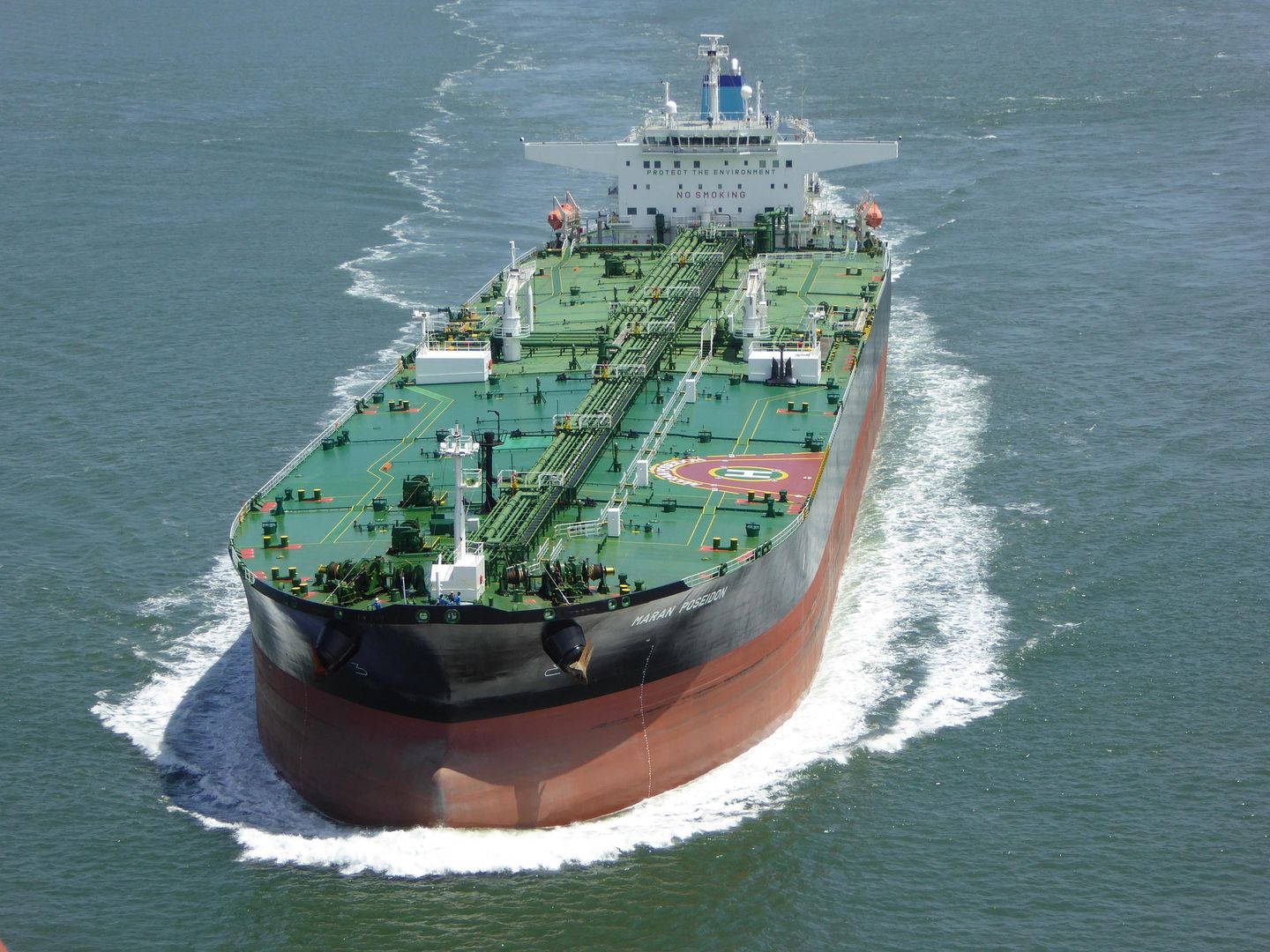
Markets Share Share this article Copy link X icon X (Twitter) LinkedIn Facebook Email Some Middle East oil is now over $100 a barrel. Here’s how it could affect bitcoin Murban crude, a key benchmark for barrels that can bypass the Strait of Hormuz, now trades art $103 per barrel. By Omkar Godbole Mar 8, 2026, 1:41 p.m. Make us preferred on Google Murban crude surges above $100. (Gerhard Traschütz/Pixabay) What to know : Murban crude, a key benchmark for barrels that can bypass the Strait of Hormuz, has surged above $100 a barrel, signaling acute geopolitical stress and supply fears. A sustained spike in physically delivered oil prices could spill into broader benchmarks, tighten financial conditions, and pressure risk assets such as global equities and bitcoin. Oil barrels that can still reliably reach global markets via the Middle East are now trading above $100 a barrel, a stark market signal of acute geopolitical stress and supply fears that could ripple through global risk assets, including stocks and bitcoin BTC $ 67,016.57 . Since the military conflict between the U.S., Israel and Iran began a week ago, Iran has significantly disrupted oil flows through the Strait of Hormuz, a major route that facilitates over $500 billion in oil and gas trade annually. As a result, traders are paying as much attention to oil accessibility as they are to demand and daily production. The oil market is now essentially divided into two segments: barrels that are vulnerable, relying on chokepoints like the Strait of Hormuz, and barrels that can still move, reaching buyers reliably while bypassing geopolitical disruptions. The benchmark for the second category is Murban crude oil, which traded above $103 per barrel on Sunday, a significant premium to popular global benchmarks such as WTI and Brent, according to Oilprice.com . A sharp rise in Murban to above $100 indicates strong competition among refiners seeking prompt cargoes, a sign of real demand for immediate physical deliveries rather than speculative momentum often seen in futures markets. Murban, a premium, light, and sweet crude produced by the Abu Dhabi National Oil Company from onshore fields in the UAE, is exported through the Fujairah Oil Terminal, a hub located outside the Strait of Hormuz. It can still safely reach buyers in Asia, mainly Japan, India, Thailand, and the Philippines, as well as some European nations and has become the go-to gauge for barrels that can reliably reach global buyers amid Middle East tensions. Implications for bitcoin and risk assets Murban surpassing $100 per barrel is more than just a milestone for crude pricing. It’s a signal that geopolitical risk is being fully priced into the physical oil market, and that the accessibility of oil, not just its existence, is shaping valuations. That risk could spill over into broader benchmarks like WTI and Brent when markets open on Monday. In other words, these benchmarks could quickly soar into three figures, potentially rattling Asian and global equities and putting pressure on risk assets, including bitcoin. For an asset like bitcoin, which lacks an underlying cash flow or revenues, fiat liquidity conditions play an outsized role in its price dynamics. A surge in oil like this could tighten liquidity by stoking inflation fears, potentially prompting central banks to raise interest rates. Both WTI and Brent crude oil have already surged roughly 30% since the onset of the conflict, while markets have started discounting expected Fed rate cuts, as CoinDesk noted Friday . Bitcoin, the leading cryptocurrency by market value, last traded near $67,000, having hit highs near $74,000 early this week, according to CoinDesk data. Bitcoin News Oil More For You Pudgy Penguins: Challenging the Pokemon and Disney Legacy in the Global IP Race By CoinDesk Research Feb 27, 2026 Commissioned by Pudgy Penguins CoinDesk Research looks into how Pudgy Penguins disrupts traditional toys market via a phygital model. With 2M+ units sold, they scale via global partnerships and events. What to know : Disrupting a Stagnant Market : Pudgy Penguins is utilizing a "Negative CAC" model to challenge the traditional $31.7B licensed toy industry by treating physical merchandise as a profitable user acquisition tool rather than just a final product. View Full Report More For You Tokenized assets exceed $25 billion after nearly quadrupling in a year By Sam Reynolds | Edited by Shaurya Malwa 2 hours ago Treasurys, private credit, and commodities are driving growth, but most tokenized assets remain isolated from DeFi markets. What to know : Tokenized real-world assets excluding stablecoins have surged to more than $25 billion onchain, nearly quadrupling in a year, with six categories now exceeding $1 billion each. Much of the growth reflects large, infrequent institutional allocations rather than active secondary trading, as issuers prioritize capital formation and fundraising efficiency over liquidity. Only about 12% of the roughly $8.5 billion in RWA-backed stablecoins is deployed in DeFi, leaving most assets siloed behind compliance barriers and raising questions about whether tokenization will integrate with permissionless finance. Read full story Latest Crypto News Tokenized assets exceed $25 billion after nearly quadrupling in a year 2 hours ago Canton’s Yuval Rooz says smart contract blockchains face a reckoning over value gap 2 hours ago Bitcoin dip may not be over as whales sell into retail buying — a bearish signal 8 hours ago XRP slips as traders watch $1.35 support 8 hours ago Coinbase says new U.S. tax-reporting rules for crypto are cluttered, confusing 16 hours ago Trump's cyber strategy vows to 'support the security' of cryptocurrencies and blockchain 17 hours ago Top Stories Bitcoin could crash by another 30% as four-year cycle gains strength, investment firm says Mar 7, 2026 Why bitcoin couldn't hold $70,000 despite its best week of Wall Street news in months Mar 6, 2026 Those who cheered U.S. Bitcoin reserve have spent year watching Trump's order languish 22 hours ago Kalshi, Polymarket seeking $20 billion valuations in fundraising talks: WSJ 21 hours ago Circle moves $68 million in just 30 minutes by using its own stablecoin for internal payments 22 hours ago SEC, Justin Sun reach settlement over Tron lawsuit Mar 5, 2026 In this article BTC BTC $ 67,016.57 ◢ 1.34 %