Crypto community fears Iran choking oil supply and crashing markets, but that may be overblown
Analysis
Price Impact
MedThe article suggests that while fears of iran choking oil supply and crashing markets may be overblown, an 'all-out war' scenario could still rattle markets and push bitcoin lower, potentially below $60,000.
Trustworthiness
HighThe article presents arguments from multiple experts (economists, geopolitical strategists, energy market experts) to support its analysis, providing a balanced perspective.
Price Direction
BearishThe potential for an escalated conflict, despite expert opinions downplaying the strait of hormuz closure, introduces significant risk aversion, which historically drives bitcoin prices down.
Time Effect
ShortThe immediate market jitters and bitcoin's dip following the strikes indicate a short-term reaction. however, the long-term impact depends heavily on the escalation or de-escalation of the geopolitical tensions.
Original Article:
Article Content:
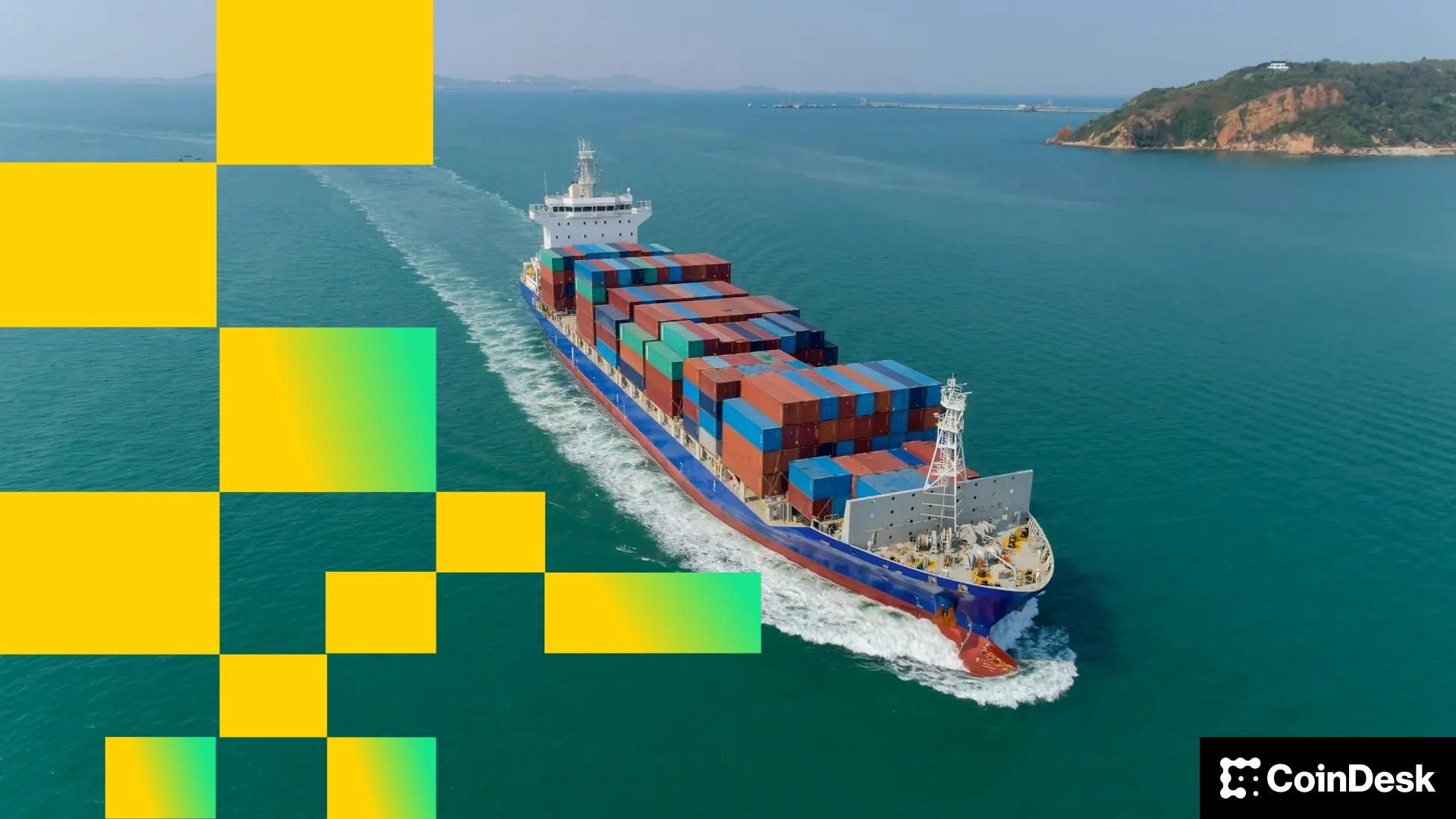
Markets Share Share this article Copy link X icon X (Twitter) LinkedIn Facebook Email Crypto community fears Iran choking oil supply and crashing markets, but that may be overblown A full closure of the strait is unlikely or impractical, some experts argue. By Omkar Godbole | Edited by Aoyon Ashraf Feb 28, 2026, 3:36 p.m. Make us preferred on Google What to know : Many crypto social media users on X worry that Iran could close the Strait of Hormuz, a key route for about 20 percent of global oil shipments, potentially sending oil prices toward $120 to $150 and triggering an inflation shock. Several experts argue that a full closure of the Strait is unlikely or impractical and that any oil price spike would likely be limited and temporary. An all-out war could still rattle markets and push bitcoin lower. As tensions flare once again between Iran, Israel, and the U.S., social media, especially on crypto social media X (or Crypto Twitter), fears that Tehran could shut down the Strait of Hormuz, a vital oil chokepoint. Such a move, many worry, could send oil prices and global inflation soaring and roil financial markets, including bitcoin. However, those concerns may be exaggerated, according to some observers. Early Saturday, Israel and the U.S. launched airstrikes on Iran, aiming to dismantle the nation's nuclear facilities and missile capabilities after failed negotiations. Iran retaliated by firing ballistic missiles at Israel and the U.S. bases in the region, escalating fears of a full-blown military conflict. This sparked jitters in the crypto market, the only venue open for investors to express fear and risk, while traditional markets stay closed over the weekend. Bitcoin BTC $ 64,751.25 , the leading cryptocurrency by market value, dropped to $63,000 from around $65,600 before rebounding to $65,000. Oil-linked futures on Hyperliquid surged more than 5%. Hormuz fears The Strait of Hormuz is a chokepoint (21 miles wide at its narrowest point) between Iran to the north and Oman to the south, and facilitated about 20 million barrels of oil shipments each day in 2024, according to the U.S. Energy Information Administration (EIA). Naturally, amid simmering tensions, crypto accounts on X are worried that Iran may close the Strait of Hormuz, choking off oil supplies. "If a direct conflict between the United States and Iran has begun, this isn't just geopolitics. It's a global economic event. If the Strait of Hormuz is threatened, oil could spike toward $120–$150," an X handle called @Crypto_Diet said. This could lead to an inflation shock, market sell-offs, a dollar surge, and depreciation in emerging-market currencies, the post added. Several more accounts have posted similar views, with some savvy geopolitical experts sharing these concerns. "Oil prices had already climbed to six-month highs ahead of the strikes. Iran is a founding OPEC member and the Strait of Hormuz, through which roughly 20% of global oil passes, is now directly implicated," Geopolitical Strategist Velina Tchakarova said . On top of that, some news outlets are already reporting that several oil majors, including trading houses, have suspended oil and fuel shipments through the strait. Outright closure unlikely Some observers, however, argued that an outright closure of the strait is not in Iran's best interests and may be geographically impossible. According to Daniel Lacalle, a PhD economist, fund manager, and chief economist at Tressis, Iran currently produces 3.3 million barrels per day of oil, but exports just half of that, which almost entirely goes to its ally China. "It would shoot itself in the foot," Lacalle said , downplaying fears of an eventual Iranian shutdown of the strait. He added that OPEC members could quickly offset any potential disruption to oil supplies from Iran, while stressing that the United States, by itself, is the world's largest oil producer. In other words, any spike in oil prices could be measured and temporary. The other aspect to consider is Geography. While the strait is split roughly in the middle between Iran and Oman, the shipping lanes are predominantly in Omani waters. It's because water on the Iranian side is said to be shallower, while on the Omani side, it is deeper and better suited for the movement of large oil tankers. So, technically, ships could pass through Oman's yard, which means Iran's closure of its territory may not have a big impact on supplies. "Most waterways are in Oman, not Iran," Energy Market Expert Dr. Anas Alhajji said on X. "Hormuz strait has never been blocked despite all wars - It cannot be blocked. Too wide. Well protected," he added. All things considered, the odds of Iran shutting the strait and choking off oil supplies are low. That said, an all-out war can still trigger widespread risk aversion, potentially driving bitcoin below the widely watched $60,000 support level. Meanwhile, bitcoin's price chart also signals a potential for deepening of the bear market ahead amid the Middle East crisis. Middle East Oil Iran More For You Suspected insiders make over $1.2 million on Polymarket by betting on U.S.'s Iran strike By Francisco Rodrigues | Edited by Shaurya Malwa 1 hour ago The strikes caused bitcoin’s price to fall and oil futures on Hyperliquid to rise over the regional conflict’s consequences. What to know : Six insider accounts on Polymarket won around $1.2 million by predicting the U.S. would strike Iran on February 28. The strikes caused bitcoin’s price to fall and oil futures on Hyperliquid to rise over the regional conflict’s consequences. The CFTC has in the past warned about potential insider trading violations, and rival prediction market Kalshi has banned and fined users before for insider trading. Read full story Latest Crypto News Former Mt. Gox CEO proposed a rewrite of bitcoin's code to recover $5 billion in stolen funds. Gets quickly shutdown 48 minutes ago Suspected insiders make over $1.2 million on Polymarket by betting on U.S.'s Iran strike 1 hour ago XRP tumbles 9% as break below $1.36 wipes out relief rally 2 hours ago Bitcoin's five-month slide: why BTC is set for worst losing streak since 2018 2 hours ago Bitcoin sets up potential short squeeze as 'funding rate' plunges to three month low 4 hours ago Bitcoin could see further downside risks as Iran attacks U.S. bases across Middle East 5 hours ago Top Stories Bitcoin nears $63,000 as U.S. and Israel launch strikes on Iran 8 hours ago Oil-linked futures on Hyperliquid surge 5% after U.S.-Israel strike on Iran 5 hours ago AI tool catches critical XRP Ledger bug that could have drained wallets Feb 27, 2026 U.S. Senate Democrats asked Treasury, DOJ to probe Binance's illicit finance controls 17 hours ago Bitcoin ETF holders and treasury firms stack protection against price crash below $60,000, Deribit says Feb 27, 2026 In this article BTC BTC $ 64,751.25 ◢ 2.09 %