SEC makes quiet shift to brokers' stablecoin holdings that may pack big results
Analysis
Price Impact
HighThe sec's new guidance allowing broker-dealers to treat stablecoins as regulatory capital with only a 2% haircut is a significant shift. this integration into capital calculations makes stablecoins more attractive for use in financial operations, potentially increasing demand and liquidity for major stablecoins like usdt and usdc.
Trustworthiness
HighThe information comes directly from an sec faq document and is corroborated by analysis from industry experts and a statement from sec commissioner hester peirce. this indicates a confirmed policy change, albeit an informal one.
Price Direction
BullishBy allowing stablecoins to be counted as regulatory capital with minimal haircut, the sec effectively makes them more usable and attractive for broker-dealers. this could lead to increased adoption and demand for stablecoins as they become a more efficient part of a firm's balance sheet, thus positively impacting their price and stability.
Time Effect
ShortThe immediate impact of this policy change is likely to be felt in the short term as broker-dealers adjust their capital calculations and potentially increase their holdings of stablecoins. the long-term effects will depend on whether this informal guidance solidifies into formal regulation or is influenced by broader legislative action.
Original Article:
Article Content:
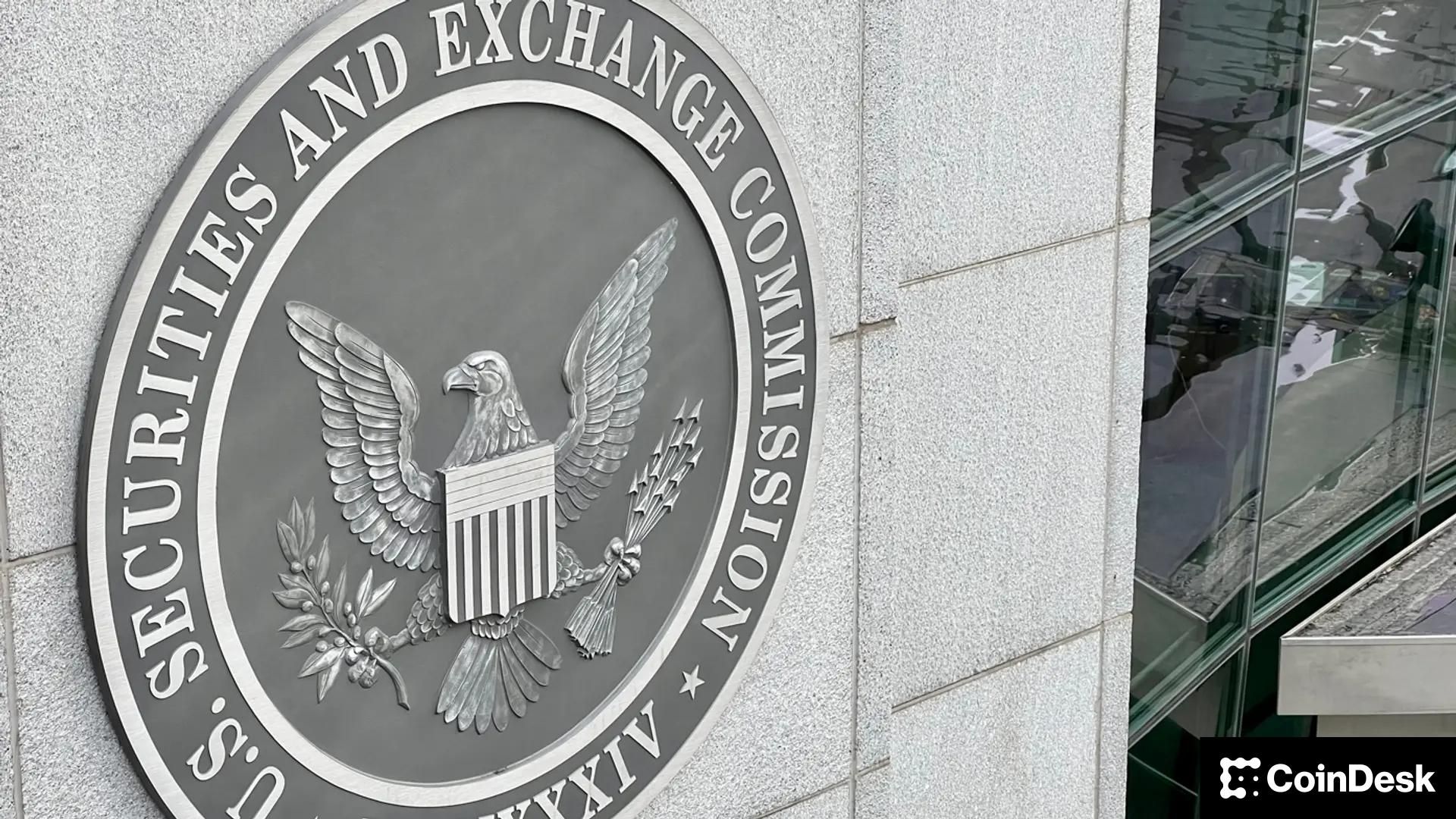
Policy Share Share this article Copy link X icon X (Twitter) LinkedIn Facebook Email SEC makes quiet shift to brokers' stablecoin holdings that may pack big results The securities regulator has continued its Project Crypto work to make unofficial policy changes as it moved to let broker-dealers treat stablecoins as capital. By Jesse Hamilton | Edited by Aoyon Ashraf Feb 20, 2026, 10:15 p.m. Make us preferred on Google The U.S. Securities and Exchange Commission issued a significant tweak to its guidance on stablecoin holdings. (Jesse Hamilton/CoinDesk) What to know : The addition of a few lines in a frequently-asked-questions page on the U.S. Securities and Exchange Commission website may open up the use of stablecoins in capital calculations for U.S. broker-dealers. The agency is instructing brokers that they need only give their stablecoins a 2% haircut when calculating how much they can be used as regulatory capital. Broker-dealers regulated by the U.S. Securities and Exchange Commission (SEC) can treat their stablecoin holdings as regulatory capital, according to a tweak this week to a frequently-asked-questions document maintained by the agency. STORY CONTINUES BELOW Don't miss another story. Subscribe to the State of Crypto Newsletter today . See all newsletters Sign me up By signing up, you will receive emails about CoinDesk products and you agree to our terms & conditions and privacy policy . That's a seismic shift offered in the form of a minor addition to the SEC's "Broker Dealer Financial Responsibilities" FAQ . It's on-brand for a regulator that has made a steady series of changes to its crypto approach through informal guidance, industry correspondence and staff statements ever since its Crypto Task Force began work during the administration of President Donald Trump. In this case, a new question No. 5 was added about what kind of "haircut" a firm should take on its holdings of stablecoins — the dollar-tied tokens such as Circle's USDC and Tether's USDT. The answer was 2%, meaning that instead of the previous understanding that such assets were not considered measurable against a broker-dealer's capital tally (100% haircut), the firms will be able to count 98% of those holdings. Securities and Exchange Commission FAQ (screen capture, SEC website) "That means stablecoins are now treated like money market funds on a firm’s balance sheet," Tonya Evans , a former professor who now runs a crypto education business and is on the board of directors at Digital Currency Group, wrote in a post on social media site X. "Until today, some broker-dealers were zeroing out stablecoin holdings in their capital calculations. Holding them was a financial penalty. That’s over." Before, the more stringent SEC limits meant those companies — firms registered with the SEC to handle customers' securities transactions and also trade in securities on their own behalf — weren't easily able to custody tokenized securities or act as a go-between for trading. Now the firms that follow this steer from the agency will be able to more easily provide liquidity, aid settlement and advance tokenized finance. "Everywhere from Robinhood to Goldman Sachs run on these calculations," Larry Florio, deputy general counsel at Ethena Labs, wrote in an explainer posted on LinkedIn. Stablecoins are now working capital, he said. SEC Commissioner Hester Peirce runs the agency's task force and issued a statement on the change, contending that using stablecoins "will make it feasible for broker-dealers to engage in a broader range of business activities relating to tokenized securities and other crypto assets." And she said she wants to consider how the existing SEC rules "could be amended to account for payment stablecoins." That's the drawback of informal staff policies — they're as easy to reverse as they were to issue, and they don't carry the weight (and legal protections) of a rule. The SEC has been working on some crypto rules in recent months, but they haven't yet been produced, and the process usually takes several months — sometimes years. Even a formal rule can still be reversed by a new leadership at the agency, which is why crypto advocates are pushing for more legislation from Congress that would set the government's digital assets approach into law, such as last year's Guiding and Establishing National Innovation for U.S. Stablecoins (GENIUS) Act. U.S. Securities and Exchange Commission Regulations Stablecoins Broker-Dealers More For You Ripple's Brad Garlinghouse says CLARITY bill has '90% chance' of passing by April By Shaurya Malwa | Edited by Sam Reynolds 15 hours ago The bill would clarify which digital assets fall under securities law versus Commodity Futures Trading Commission oversight. What to know : Ripple CEO Brad Garlinghouse said he now sees a 90 percent chance that the long-debated Clarity Act will pass by the end of April, citing renewed momentum in Washington. The bill would clarify which digital assets fall under securities law versus Commodity Futures Trading Commission oversight, addressing long-standing regulatory uncertainty that Garlinghouse says has weighed on innovation. Ripple, which has spent nearly $3 billion on acquisitions since 2023 and is now pausing major deals to focus on integration, argues that both crypto firms and traditional financial institutions increasingly want clear rules as attitudes toward digital assets shift. Read full story Latest Crypto News Bitcoin shrugs off Trump's new tariffs, nears $68,000 as altcoins lead modest bounce 56 minutes ago Specialized AI detects 92% of real-world DeFi exploits 3 hours ago U.S. Supreme Court's decision on Trump's tariffs may not rock crypto — yet 3 hours ago Dubai takes next step to make real estate flips instant in $16 billion tokenization plan 5 hours ago RWA issuers prioritize capital formation over liquidity, according to Brickken survey 6 hours ago Bitcoin pops then drops as Supreme Court strikes down Trump tariffs 6 hours ago Top Stories Goldman Sachs, Franklin Templeton, and Nicki Minaj: Inside Trump’s surreal Mar-a-Lago crypto summit 7 hours ago Bitcoin logs worst first 50-day start to a year on record 16 hours ago What next for XRP as volatility sinks to 2024 lows 9 hours ago Ripple's Brad Garlinghouse says CLARITY bill has '90% chance' of passing by April 15 hours ago Dual South Korean listings send Ethereum layer-2 token AZTEC surging 82% 10 hours ago Inside the meeting: White House favors some stablecoin rewards, tells banks it's time to move 23 hours ago