DeFi is not really decentralized, it is unavoidably centralized
Analysis
Price Impact
MedThe discussion about defi's 'unavoidable centralization' for maturity and institutional adoption presents a pragmatic, long-term positive outlook, though it might temper immediate 'pure decentralization' narratives. this isn't an immediate price driver but sets a foundational direction.
Trustworthiness
HighThe analysis is based on a panel discussion at consensus hong kong 2026, featuring industry leaders from reputable firms (paradigm, blockdaemon, treehouse) reported by coindesk.
Price Direction
BullishThe consensus that temporary centralization is a necessary 'incubation phase' for defi protocols to mature, prevent exploits, and achieve institutional adoption is fundamentally bullish for the long-term health, stability, and growth of the defi ecosystem. it paves the way for greater capital inflow and mainstream integration.
Time Effect
LongThe panel emphasizes an 'incubation phase' and the path to maturity for defi to withstand global market scrutiny and attract institutional demand, which are long-term developmental processes.
Original Article:
Article Content:
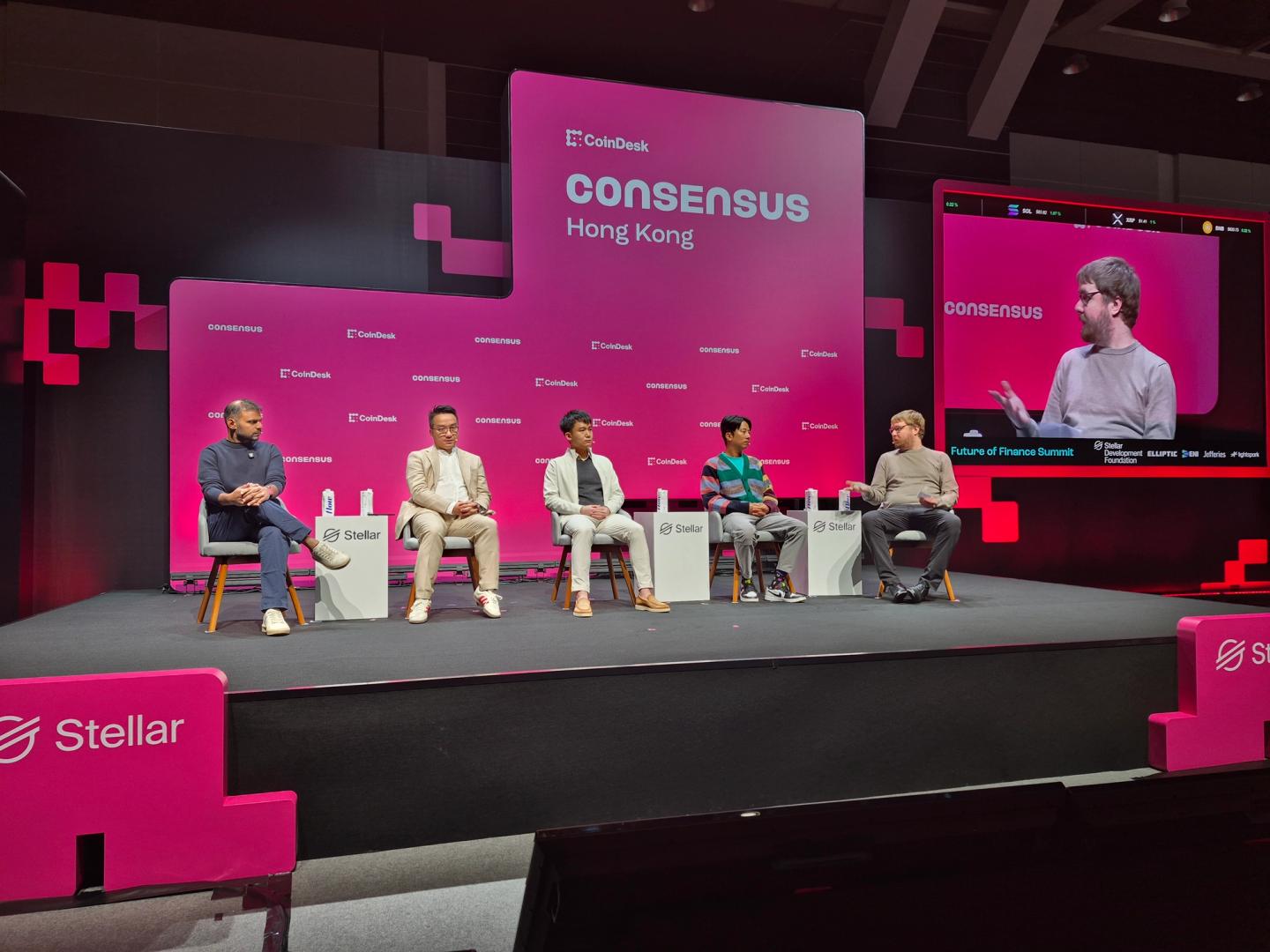
Finance Share Share this article Copy link X icon X (Twitter) LinkedIn Facebook Email DeFi is not really decentralized, it is unavoidably centralized Rules are required to ensure DeFi projects grow and mature, which means they need layers of centralization before becoming truly decentralized. . By Olivier Acuna | Edited by Oliver Knight Feb 11, 2026, 10:59 a.m. Make us preferred on Google The panelist agreed DeFi is unavoidably centralized: at least at the start to ensure it "matures" properly. (Photo: Olivier Acuna/Modified by CoinDesk) What to know : A panel at Consensus Hong Kong 2026 argued that most DeFi protocols must pass through a pragmatic, temporarily centralized “incubation phase” before they can safely decentralize. Speakers contrasted Ethereum’s base layer as a neutral “government” with layer 2 founders acting like growth-focused businesses that use admin keys and guardrails to protect young protocols from early exploits. Industry leaders said institutional adoption will require professional, rule-based infrastructure that sacrifices some early-stage decentralization so protocols can mature and withstand scrutiny from global financial markets. HONG KONG — At the Consensus Hong Kong 2026 conference, the conversation surrounding decentralized finance (DeFi) took a sharp turn toward the pragmatic. The panel, "How Decentralized is DeFi Really?" saw industry leaders dismantle the "pure decentralization" myth in favor of a reality where temporary centralization is a survival mechanism. STORY CONTINUES BELOW Don't miss another story. Subscribe to the Crypto Daybook Americas Newsletter today . See all newsletters Sign me up By signing up, you will receive emails about CoinDesk products and you agree to our terms & conditions and privacy policy . The "decentralization illusion" highlights the friction between DeFi’s permissionless ideals and its operational realities. While the goal is to replace intermediaries with smart contracts, most protocols exist on a spectrum rather than a binary state. Anand Gomes, head of Paradigm and Paradex, dismissed the idea of binary decentralization, instead framing the current state of most protocols as a necessary "incubation phase." Gomes famously likened the role of a protocol founder to that of a parent. "You want your kids to be strong and independent once they grow up," he explained, "but that doesn't mean you leave them unattended in their infancy." For Gomes, the use of admin keys and centralized guardrails in the first 18 months is a fiduciary duty; a protocol exploited in its first six months simply has no future left to decentralize. This creates a distinct contrast with Vitalik Buterin’s role as the architect of Ethereum’s base layer. Gomes positioned Buterin as the head of a "government" (layer 1) whose role is to ensure stability through neutral, constitutional rules. Conversely, layer 2 founders act as "businesses" focused on growth. While Buterin pushes for "stage 1" decentralization to ensure the L1 remains a "freedom machine," Gomes argued that founders must be "stubborn" in protecting their protocols during early vulnerability. Glenn Woo, representing the infrastructure giant Blockdaemon, noted that as DeFi scales to meet institutional demand, hardware and security requirements naturally create layers of centralization. Woo said he believes that for DeFi to survive the scrutiny of global clearinghouses like the DTCC, it requires professionalized, robust infrastructure that often trades absolute decentralization for institutional-grade reliability. Benji Loh of Treehouse echoed this sentiment, noting that temporary centralization is the "price of entry" for the Wall Street tailwinds needed to fund a robust ecosystem. He observed that even the most successful protocols only push for the decentralized ideal after finding product-market fit and stable trading infrastructure. Arion Ho, CEO of ENI, added that the path to true decentralization must be paved with "transparent rules" rather than immediate, chaotic oversight. "Decentralization is not really a form of what kind of governance we’ve been doing," Ho stated, "it’s how to avoid having too much human intervention." He also said that by starting with a rule-based, verifiable structure hard-coded into the system’s DNA, founders ensure that when the keys are eventually handed to the community, the transition is both safe and sustainable. As institutional heavyweights like Goldman Sachs move multitrillion-dollar operations on-chain, the panel’s consensus was clear: the goal is no longer just to remove intermediaries, but to ensure that when the "parental" guardrails are finally removed, the protocols are mature enough to withstand the scrutiny of global markets. Decentralized Finance Vitalik Buterin Consensus Hong Kong 2026 More For You Tokenization still at start of hype cycle, but needs more use cases, specialists say By Ian Allison | Edited by Nikhilesh De 39 minutes ago Crypto asset specialists must figure out how to match tokenization hype to real-world utility, Securitize's Graham Ferguson said. What to know : Securitize’s approach, which is about issuing regulated securities natively on blockchains, “has always been to do this in lockstep with regulators.” Ondo’s quick to scale wrapper model has been widely adopted: stablecoins are wrapped U.S. dollars. Read full story Latest Crypto News Regulation, derivatives helping drive TradFi institutions into crypto, panellists say 1 minute ago Tokenization still at start of hype cycle, but needs more use cases, specialists say 39 minutes ago Hong Kong ready to issue first stablecoin licenses in March, Financial Secretary says 1 hour ago Arkham Intelligence said to be shutting crypto trading platform as usage fails to sparkle 1 hour ago Tom Lee says stop timing the bottom and start buying the dip 1 hour ago MrBeast's finance bet could become the new generation's Schwab, Robinhood, Tom Lee says 2 hours ago Top Stories Crypto's banker adversaries didn't want to deal in latest White House meeting on bill 11 hours ago SkyBridge's Scaramucci is buying the bitcoin dip, calls Trump a crypto president 8 hours ago Hong Kong working to allow perpetual contracts, chief regulator says 5 hours ago Citadel Securities backs LayerZero as it unveils ‘Zero’ blockchain for global markets 13 hours ago Crypto PAC Fairshake leaps into first midterm Senate race with $5 million in Alabama 11 hours ago Crypto exchange Kraken fires chief financial officer ahead of long-awaited IPO 19 hours ago