The big U.S. crypto bill is on the move. Here is what it means for everyday users
Analysis
Price Impact
MedA comprehensive u.s. crypto bill could provide regulatory clarity, increasing safety and potentially attracting more institutional investment in the long term. however, the legislative process is slow, complex, and uncertainties remain regarding potential restrictions on certain investor rewards (e.g., stablecoin yields).
Trustworthiness
HighThe analysis is provided by coindesk, a reputable crypto news source, offering a detailed and balanced perspective on the complex u.s. legislative process and its potential implications for the crypto market.
Price Direction
NeutralWhile long-term regulatory clarity is generally bullish by fostering wider adoption and increased safety, the immediate market impact is neutral due to the protracted and uncertain legislative path. no 'fireworks' are expected in the short term, but fundamental improvements could bolster future value.
Time Effect
LongThe article explicitly states that the legislative process is lengthy, taking 'months or sometimes even years' for bills to pass and for federal agencies to write and implement regulations. therefore, significant market effects are not immediate.
Original Article:
Article Content:
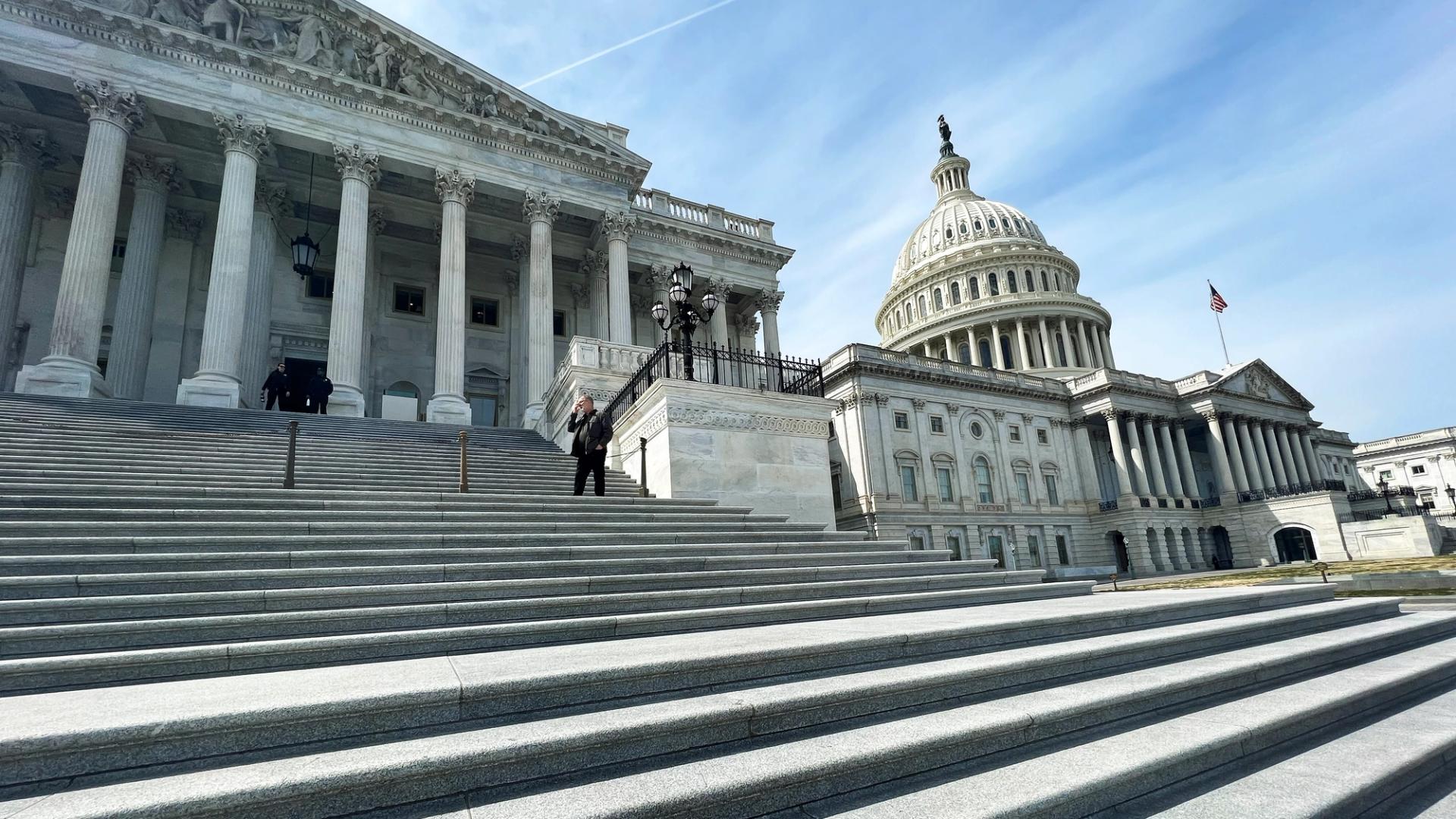
News Analysis Share Share this article Copy link X icon X (Twitter) LinkedIn Facebook Email The big U.S. crypto bill is on the move. Here is what it means for everyday users For those who don't have the compass and the time to track Congress through its arcane procedures, here's what's likely to affect you if a bill passes. Or doesn't. By Jesse Hamilton | Edited by Nikhilesh De Jan 25, 2026, 1:00 p.m. Make us preferred on Google The typical crypto enthusiast may not have much to worry over as Congress hashes out a regulatory future. (Jesse Hamilton/CoinDesk) What to know : What's in all this congressional action for you? Potentially a fully regulated infrastructure for your crypto holdings, which could mean more safety with less outlaw vibe. In the final outcome of these months (and years) of lobbying and lawmaking, crypto would become a node of the established U.S. financial system, though failure is still an option. Winning the government's stamp of approval could drive more investment that raises the value of existing holdings, though rewards for investors may be under pressure in the latest negotiations. If U.S. laws finally define how federal regulators can touch digital assets, cryptocurrencies will be easier to manage, keep track of and transact in, and more investors will probably get involved, potentially increasing the worth of each token. But a lot has to happen before that's true, and the work to get laws through Congress is at a messy crossroads. Crypto enthusiasts have long seen themselves as cutting-edge investors, eager to challenge the system and pursue a stake in something outside the mainstream. But what lawmakers are working on now is meant to put crypto very much into the establishment. The distinctions between digital assets and traditional finance would become much narrower, and in some cases, vanish entirely. Crypto platforms such as Coinbase and Kraken would be registered with federal regulators, who will insist the businesses follow strict rules when handling your assets. Stablecoin issuers such as Circle and Tether would have to follow their own tight regulations akin to banking standards. In the event of a sweeping new law, your crypto assets are likely to become significantly safer from financial disasters, though much more closely tracked and managed, and you'll be more likely to get help from the government when you have disputes with businesses. If you're among the narrower group that keeps your own custody and uses platforms without human management, your corner of the crypto sector would be subjected to more rules meant to head off criminals. And if you are accustomed to getting a return on your crypto holdings, such as through a program like Coinbase's USDC Rewards , there's some uncertainty as to what they may look like in the future, depending on how the negotiations go. So where are we at with this potential law? Dizzying Senate If you follow the ins and outs of how the U.S. government wants to treat crypto, you've seen a dizzying array of headlines from the Senate lately. This one piece of legislation carries the fate of crypto activity, but it's at a place in the lawmaking process that tends to surge and ebb like the tides. Efforts in one committee get close to action, then fall apart . Efforts in another committee rise up to take the lead. Congress has two chambers, the Senate and House of Representatives, and the House has already passed its own Digital Asset Market Clarity Act with overwhelming support. But the House hasn't been the biggest problem area for crypto. The Senate is typically the bottleneck. And in this case, the crypto bill is grinding through two committees that have to sign off before it can steam toward the books as a U.S. law. A lot of different interested parties have a wide range of preferences for this bill, including both political parties, the White House, the crypto industry and the Wall Street banks who see both benefits and dangerous threats from the sector. For a regular crypto investor, many of these questions might not seem like a big deal either way, but the outcomes have the ability to wreck or enrich various businesses or projects, so intensity is high among the lobbyists and lawmakers in the trenches. In the end, the law could get punted again. It happened with the Financial Innovation and Technology for the 21st Century Act (FIT21) effort in the previous congressional session. That was the predecessor of today's bill. But the Clarity Act has made it farther than FIT21, and it's still possible that a series of deals and compromises can be struck to get it done. To do The checklist goes like this: Get the bill overhauled and advanced by both the Senate Banking Committee (the securities/SEC focus) and Agriculture Committee (the commodities/CFTC focus). Smash a unified version together to be voted on by the overall Senate. Get Senate approval (which needs at least seven Democrats, maybe more if Republicans don't unanimously vote for it). Go back to the House to get a last sign-off vote (expected to be a low hurdle). Head to the desk of President Donald Trump for a signature. The crypto industry has been waiting a long time for those dominoes to fall. But crossing off the last item — a White House signature — won't be the end of the process for the investor. Before all these new rules are able to start turning digital assets into a new node of the U.S. financial system, a bunch of federal agencies have to dig through what Congress sends them. There's a process to writing regulations that can take months or sometimes even years. If you conduct your crypto business over an exchange like most investors, it's likely you'll start to see the companies comply with expected rules even before they're finished and formally put into place. As an example, the GENIUS Act governing stablecoins was signed into law by Trump last July. The Treasury Department and its various agencies have begun publishing proposed regulations, but are still awaiting public feedback. None of these proposals has been finalized yet. In the meantime, while everybody with cryptocurrencies waits to see what's happening with U.S. rules, there probably won't be much drama for most investors. The federal regulators such as the Securities and Exchange Commission, have stopped going after crypto businesses and are trying to cobble together some friendly treatment in the absence of Congress' law. So, it's likely the situation coasts along a while longer, whether or not the bill passes, without fireworks for most people. The biggest concerns for crypto investors may, in fact, be how to properly file tax returns on their digital asset gains. But that's a different story (and one that promises to bring yet another congressional fight down the road). Market Structure Legislation Regulation U.S. Senate Crypto lobbying More For You KuCoin Hits Record Market Share as 2025 Volumes Outpace Crypto Market By CoinDesk Research Dec 22, 2025 Commissioned by KuCoin KuCoin captured a record share of centralised exchange volume in 2025, with more than $1.25tn traded as its volumes grew faster than the wider crypto market. What to know : KuCoin recorded over $1.25 trillion in total trading volume in 2025 , equivalent to an average of roughly $114 billion per month , marking its strongest year on record. This performance translated into an all-time high share of centralised exchange volume , as KuCoin’s activity expanded faster than aggregate CEX volumes , which slowed during periods of lower market volatility. Spot and derivatives volumes were evenly split , each exceeding $500 billion for the year, signalling broad-based usage rather than reliance on a single product line. Altcoins accounted for the majority of trading activity , reinforcing KuCoin’s role as a primary liquidity venue beyond BTC and ETH at a time when majors saw more muted turnover. Even as overall crypto volumes softened mid-year, KuCoin maintained elevated baseline activity , indicating structurally higher user engagement rather than short-lived volume spikes. View Full Report More For You Here's why Coinbase and other companies soured on the major crypto bill By Nikhilesh De | Edited by Jesse Hamilton , Aoyon Ashraf Jan 18, 2026 Provisions addressing decentralized finance, SEC jurisdiction and authorities and — of course — stablecoin yield all alarmed industry participants. What to know : Coinbase was not the only company to be alarmed by the Senate Banking Committee's crypto market structure bill. Industry participants pointed to proposed rules addressing decentralized finance, the Securities and Exchange Commission's authorities and stablecoin yield as areas of concern. Some of the proposed amendments would have further restricted the industry, sources said. Read full story Latest Crypto News The fight over stablecoin yield isn’t really about stablecoins 15 hours ago Here’s why bitcoin’s is failing its role as a 'safe haven' versus gold 16 hours ago Coinbase CEO says Big banks now view crypto as an ‘existential’ threat to their business 17 hours ago Agora's Nick van Eck bets on stablecoin boom in enterprise payments 19 hours ago Ethereum treasury firm buys jet engines amid tokenization push after selling ETH 19 hours ago Spacecoin launches SPACE token just days after partnering with Trump family-linked DeFi project 20 hours ago Top Stories Here's what bitcoin bulls are saying as price remains stuck during global rally 20 hours ago Ethereum Foundation makes post quantum security a top priority as new team forms Jan 24, 2026 Bitcoin’s weakness versus gold and equities puts quantum computing fears back in focus Jan 24, 2026 Senate Agriculture's crypto market structure draft peppered with Democrat pitches Jan 23, 2026 Here is why investors are snubbing Michael Saylor’s 10% dividend offer in Europe Jan 24, 2026 Days of our market structure bills: State of Crypto 23 hours ago